
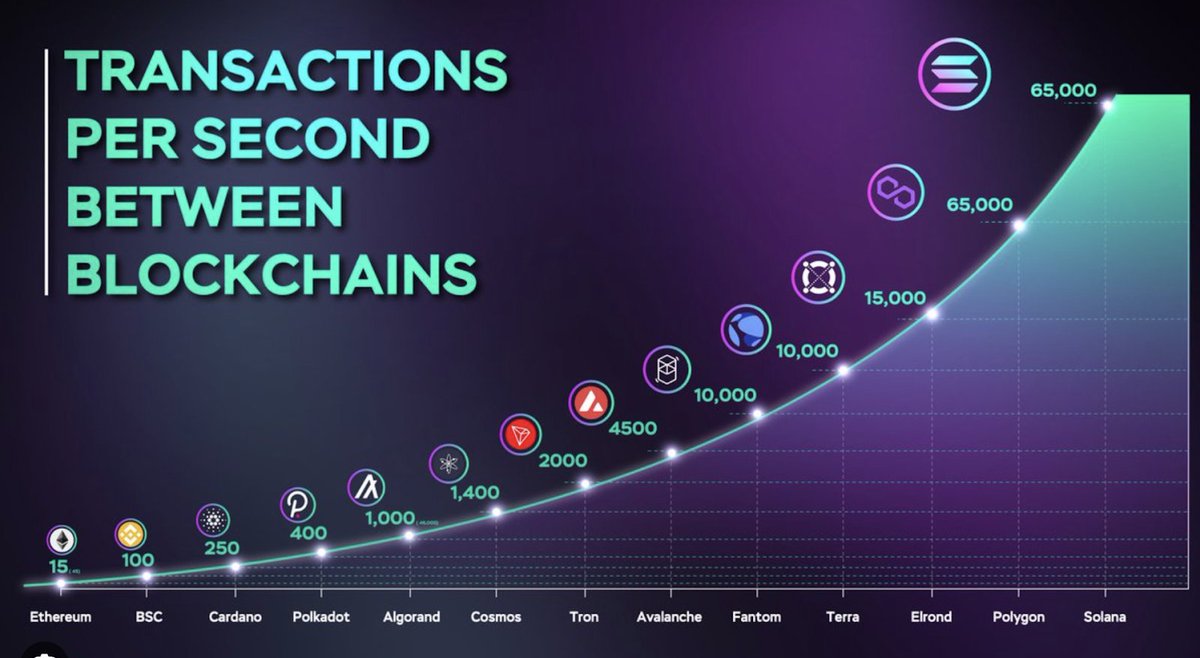
For developers seeking to push the boundaries of decentralized applications, Monad’s approach to EVM parallelization is both ambitious and pragmatic. Unlike legacy EVM chains that process transactions one after another, Monad’s architecture is engineered for scale from the ground up. The result: over 10,000 transactions per second (TPS), with sub-second finality and full Ethereum compatibility. But how does Monad achieve this staggering throughput without sacrificing security or developer experience? Let’s methodically break down the technical innovations powering Monad’s high TPS engine.
Rethinking Transaction Execution: Optimistic Parallelization at Scale
The heart of Monad’s performance edge lies in its optimistic parallel execution model. Traditional EVM chains execute transactions sequentially, ensuring state consistency but creating a bottleneck as network demand grows. Monad flips this paradigm by executing multiple transactions simultaneously, under the assumption that most are independent and do not conflict.
Here’s how it works: as soon as a block of transactions is received, Monad begins executing them in parallel threads. Each transaction’s read and write sets are tracked meticulously. If a transaction attempts to access data altered by another transaction in the same block, it is flagged for re-execution to preserve correctness. This strategy maintains Ethereum’s linear ordering guarantees while unlocking massive throughput gains.
Key Benefits of Optimistic Parallel Execution for EVM Developers
- Massive Throughput Gains: Monad's optimistic parallel execution enables the network to process over 10,000 transactions per second (TPS), far surpassing traditional sequential EVM chains. This allows developers to build high-traffic dApps without facing bottlenecks.
- Sub-Second Finality: By combining parallel execution with the MonadBFT consensus, transactions reach finality in under one second. This provides a near-instant user experience and reduces uncertainty for time-sensitive applications.
- Lower Gas Fees and Operational Costs: Efficient use of hardware and storage (via MonadDB) means developers and users benefit from reduced gas fees and less expensive node operations, making dApp deployment more cost-effective.

- No Compromise on EVM Compatibility: Monad maintains full EVM bytecode compatibility, so developers can deploy existing Ethereum smart contracts and use familiar tooling, taking advantage of parallelization without rewriting code.
- Improved Security and Fairness: The separation of consensus and execution, along with protections against MEV attacks like tail-forking, helps ensure a fairer and more secure environment for developers and users alike.
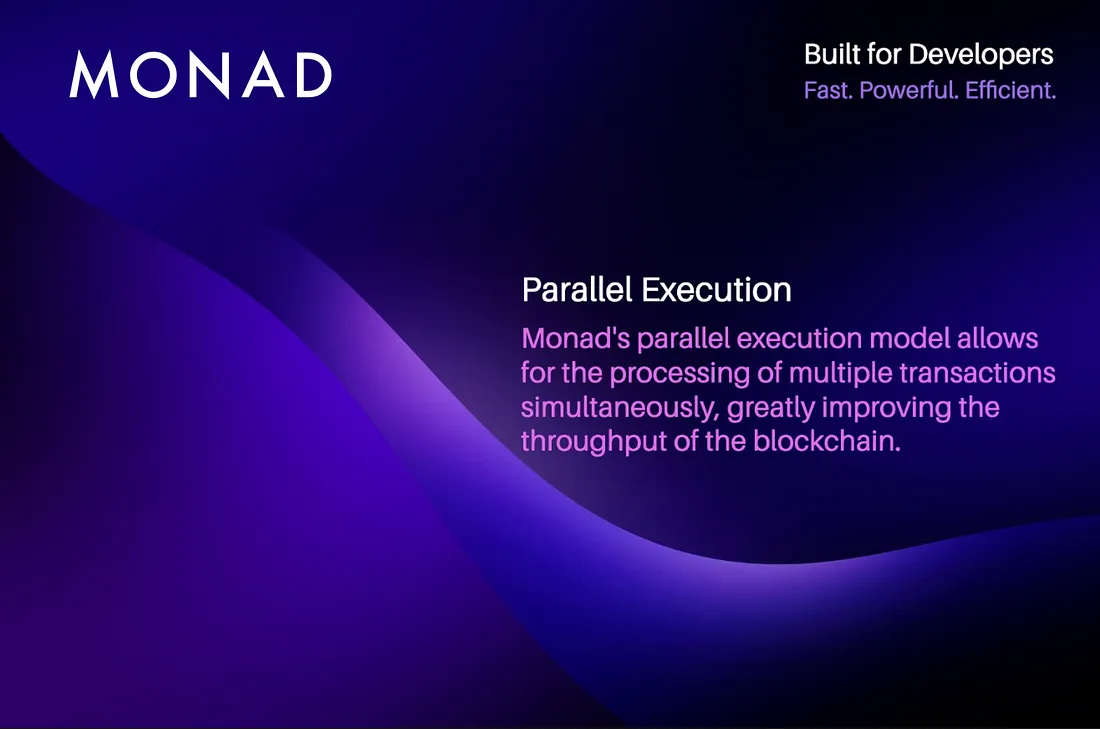
This design is particularly attractive for DeFi protocols and NFT platforms where many operations are independent or only loosely coupled. Developers benefit from higher throughput without having to rewrite contracts or learn a new programming model - Solidity code compiles and runs as expected.
MonadBFT: Fast Consensus Without Compromise
High TPS is meaningless without robust consensus underpinning it. Monad introduces MonadBFT, a protocol inspired by HotStuff but enhanced for contemporary blockchain demands. By pipelining block proposals every 500 milliseconds and reaching finality in one second, MonadBFT supports large validator sets with minimal communication overhead.
This consensus engine also incorporates advanced protections against MEV attacks such as tail-forking, which have plagued other high-throughput networks. The result is not just speed but also fairness and resilience - critical attributes for enterprise-grade blockchain infrastructure.
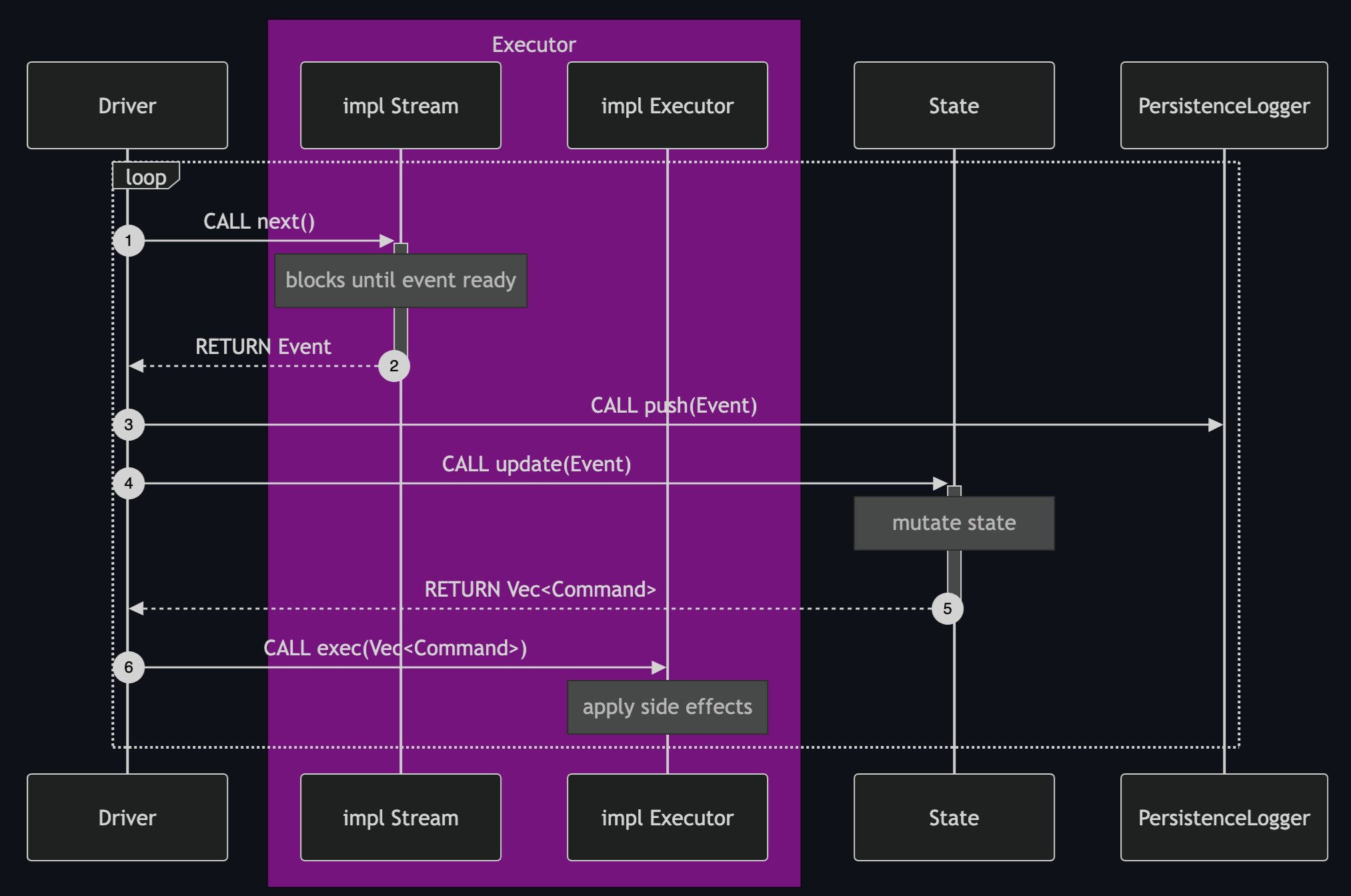
The separation of consensus and execution in Monad means nodes agree on transaction order first, then execute blocks independently afterward. This delayed execution model reduces attack surfaces and allows each node to optimize resource usage according to its own hardware profile.
MonadDB: Storage Architecture Built for Parallelism
No discussion of high-performance blockchains would be complete without addressing storage bottlenecks. To support parallel execution at scale, Monad developed MonadDB, a custom storage layer based on an optimized Patricia Trie structure.
Unlike conventional designs that require extensive RAM to maintain state, MonadDB stores most of its data on SSDs while still enabling rapid reads and writes across thousands of concurrent operations. This approach dramatically reduces node hardware requirements and operational costs - making it feasible to run performant nodes without specialized equipment.
The net effect? Developers can deploy dApps that confidently scale with user demand while maintaining cost efficiency at the infrastructure level.
The Developer Experience: Full Ethereum Compatibility Meets Next-Gen Performance
A major strength of Monad is its commitment to EVM bytecode compatibility. Existing Ethereum tools - including Solidity compilers, wallets, and debugging utilities - work out-of-the-box on Monad’s chain. For teams building on Ethereum today, migrating or deploying multi-chain dApps becomes straightforward; there are no new languages or frameworks to learn.
This compatibility ensures that innovations like optimistic parallelization and fast consensus do not come at the expense of developer productivity or ecosystem integration.
Beyond the surface, Monad’s architecture is designed to be both accessible and future-proof. Developers can leverage familiar workflows while gaining access to a dramatically higher throughput ceiling. This means more complex DeFi protocols, real-time NFT marketplaces, and data-rich dApps are not only possible but practical on Monad’s high TPS EVM chain.
Performance Benchmarks: Measuring Throughput and Latency
Benchmarks consistently show Monad delivering over 10,000 TPS with sub-second finality, performance previously unattainable for EVM-compatible chains. These results are not theoretical: live testnets have demonstrated sustained high throughput under diverse workloads, including DeFi swaps, NFT minting bursts, and complex contract interactions. Importantly, these gains come without requiring specialized hardware; standard SSD-equipped nodes suffice thanks to MonadDB.
dApp Use Cases Thriving on Monad's High TPS
- Decentralized Exchanges (DEXs) like Uniswap: High-frequency trading, order matching, and liquidity provision on DEXs benefit from Monad’s parallel execution, enabling faster trade settlements and reduced slippage, especially during periods of high network activity.
- On-Chain Gaming Platforms (e.g., Immutable X, Treasure DAO): Real-time multiplayer games and NFT marketplaces require rapid transaction processing. Monad’s low latency and high throughput support seamless in-game actions and asset transfers without bottlenecks.
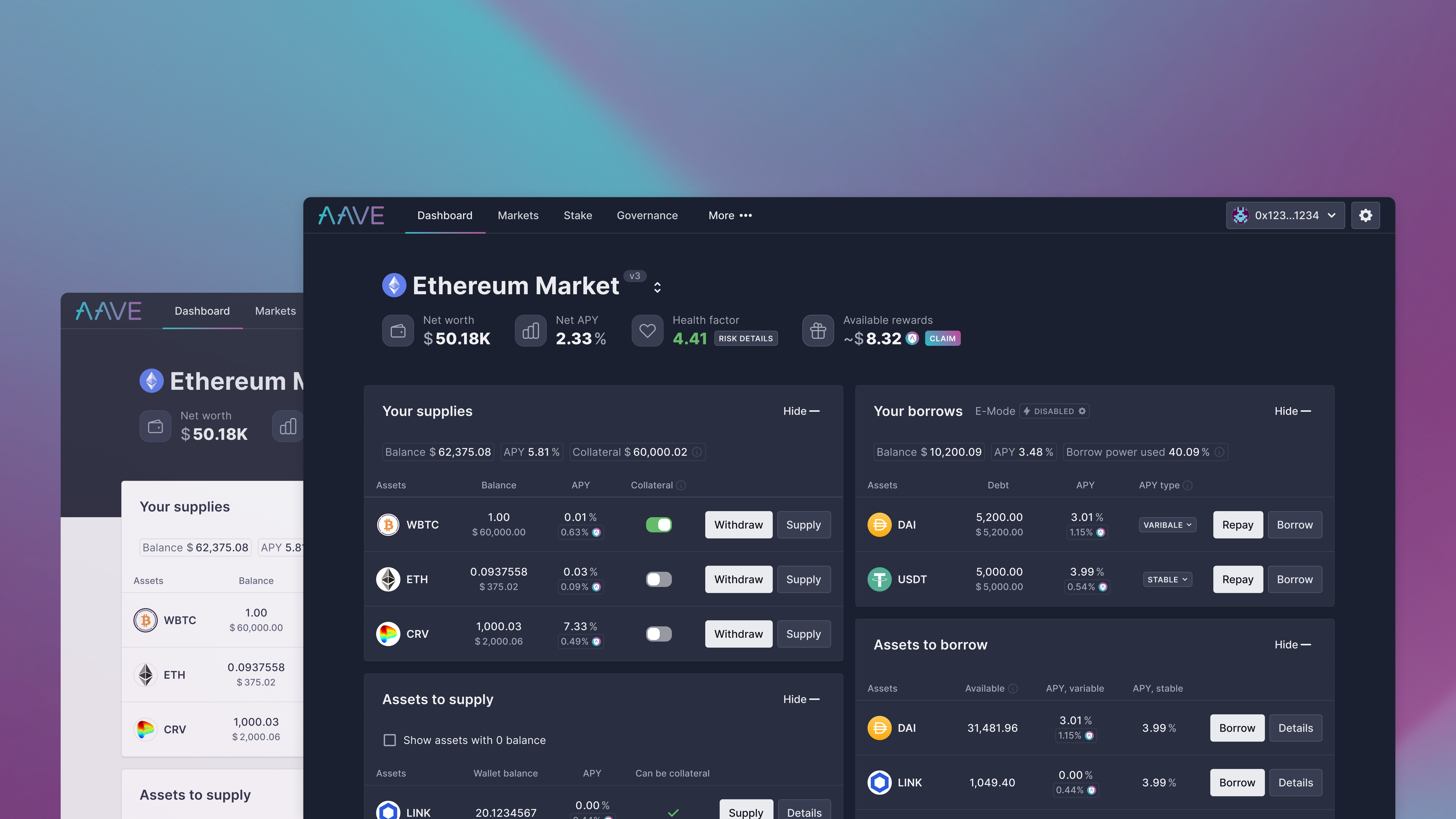
- DeFi Lending & Borrowing Protocols (such as Aave): Platforms handling numerous simultaneous deposits, withdrawals, and liquidations can operate more efficiently, reducing transaction delays and improving user experience.
- NFT Marketplaces (e.g., OpenSea): High TPS allows NFT platforms to process large volumes of minting, buying, and selling events in parallel, minimizing congestion and transaction fees for users.

- Decentralized Social Networks (like Lens Protocol): Applications with high user engagement—posting, commenting, and tipping—leverage Monad’s scalability to deliver near-instant interactions and updates.
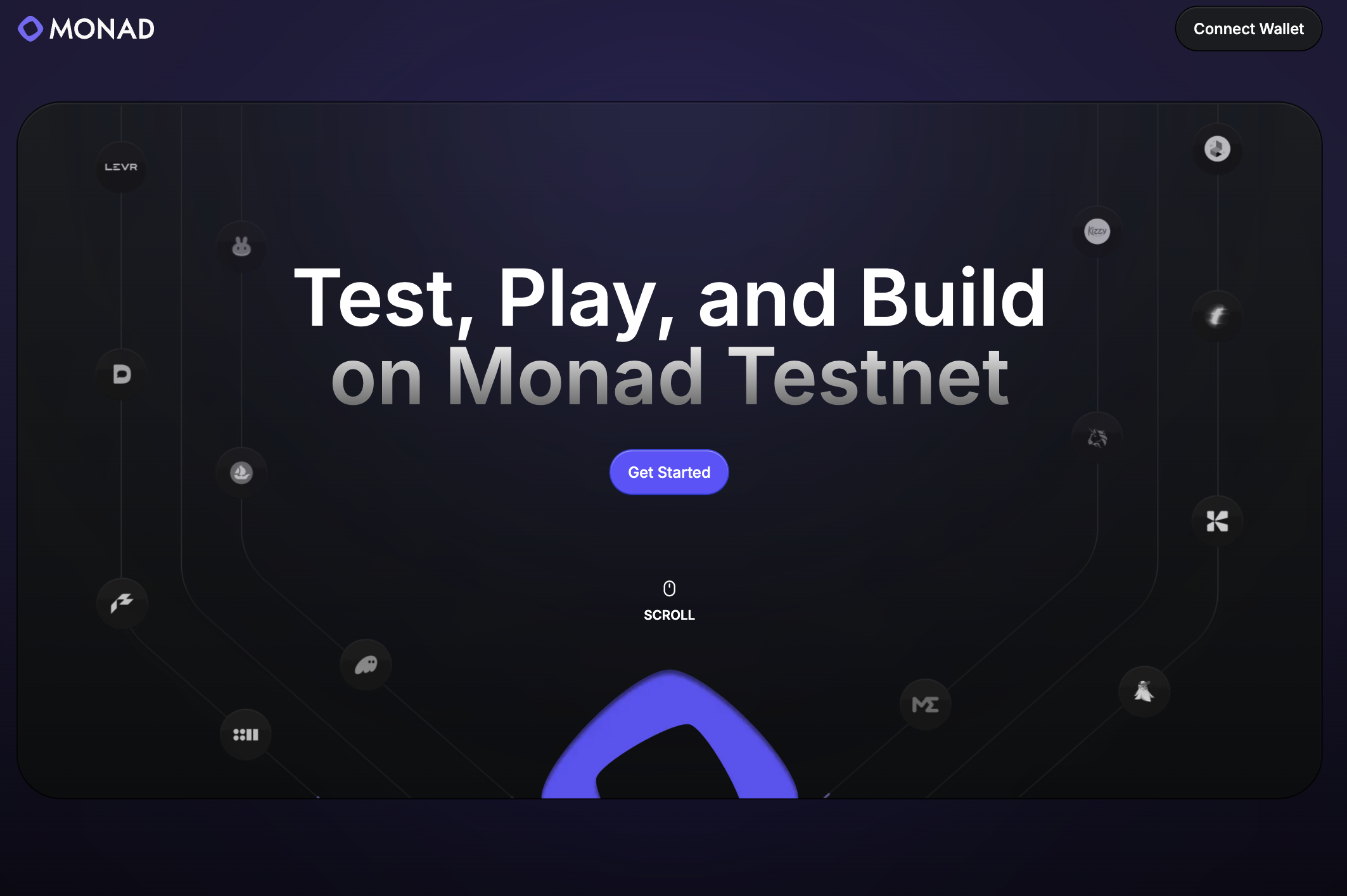
For developers evaluating deployment options, Monad’s performance benchmarks offer a compelling case for building high-velocity applications without sacrificing Ethereum compatibility or decentralization guarantees.
Security and Fairness: Protecting the Parallel EVM
Speed alone is not enough, security must scale with performance. MonadBFT’s design addresses key attack vectors endemic to high-throughput blockchains. Pipelined consensus proposals minimize latency while robust validator rotation and tail-forking protections mitigate MEV exploits and ensure fair transaction ordering. The separation of consensus from execution further reduces the attack surface by decoupling critical network operations.
This layered approach allows developers and enterprises to confidently build mission-critical applications, knowing that both liveness and safety are preserved even as transaction volumes spike.
Getting Started: Building on Monad Today
If you’re a developer or enterprise architect considering your next move in blockchain infrastructure, Monad offers a unique blend of speed, security, and compatibility. Getting started is straightforward: Solidity contracts can be deployed using existing toolchains, with no need for custom rewrites or unfamiliar frameworks. For those interested in technical deep dives or migration guides, resources are available to help teams make informed decisions about leveraging Monad’s parallel EVM architecture.
To explore how parallelization boosts transaction throughput for DeFi developers specifically, see our in-depth guide at this link.
The bottom line: Monad’s technical innovations, optimistic parallel execution, advanced consensus via MonadBFT, and efficient storage through MonadDB, collectively redefine what’s possible for EVM-compatible chains. For developers seeking scalable solutions without abandoning the Ethereum ecosystem, Monad represents a cautious yet bold step forward.




No comments yet. Be the first to share your thoughts!