

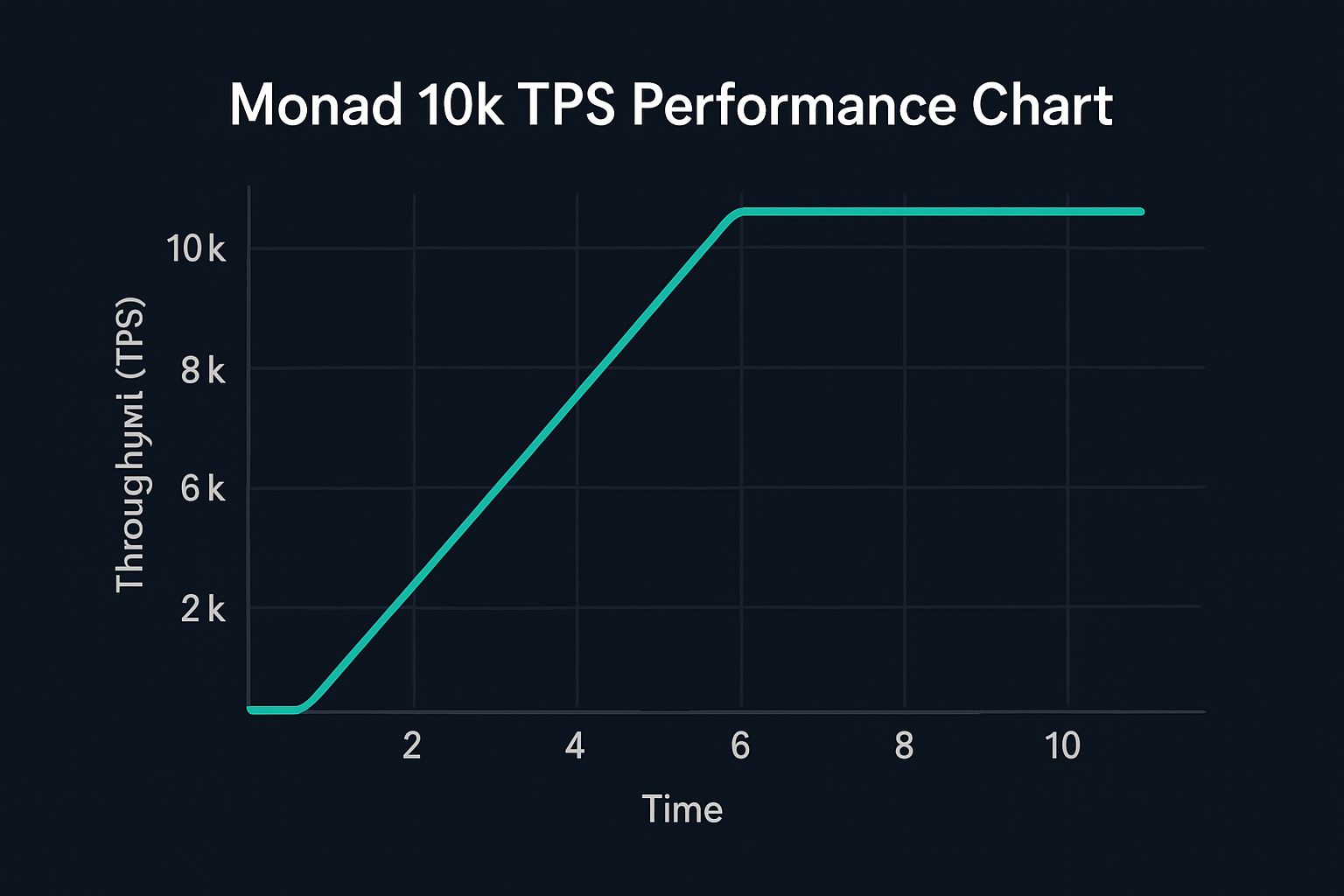
Imagine a blockchain that cranks out over 10,000 transactions per second while staying fully compatible with the Ethereum Virtual Machine. That's Monad in a nutshell, and it's not some distant dream; it's engineered reality thanks to a meticulously crafted tech stack. As someone who's spent countless hours dissecting Layer 1 solutions, I can say Monad stands out by tackling Ethereum's biggest pain points head-on: scalability without sacrificing decentralization or developer familiarity.
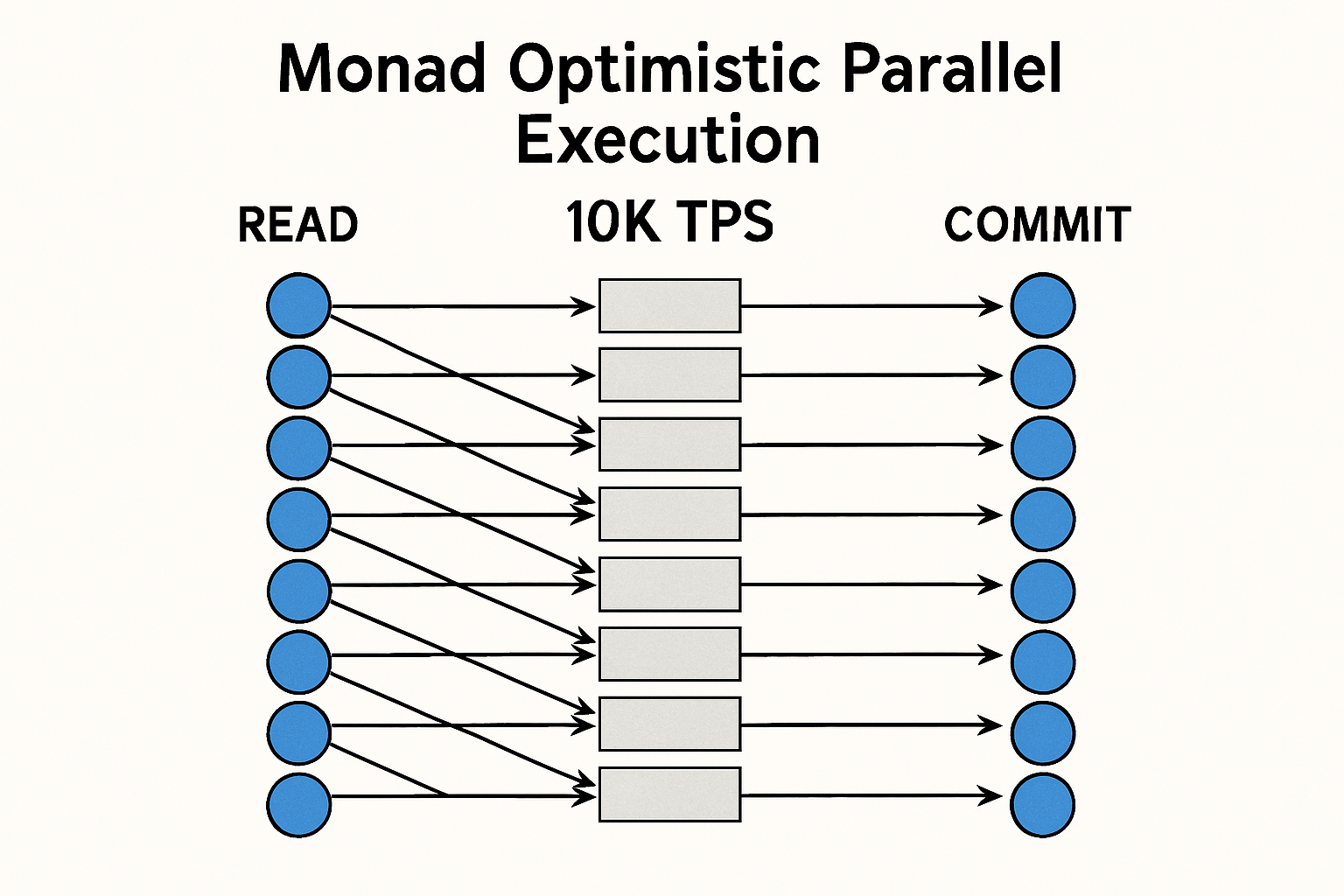
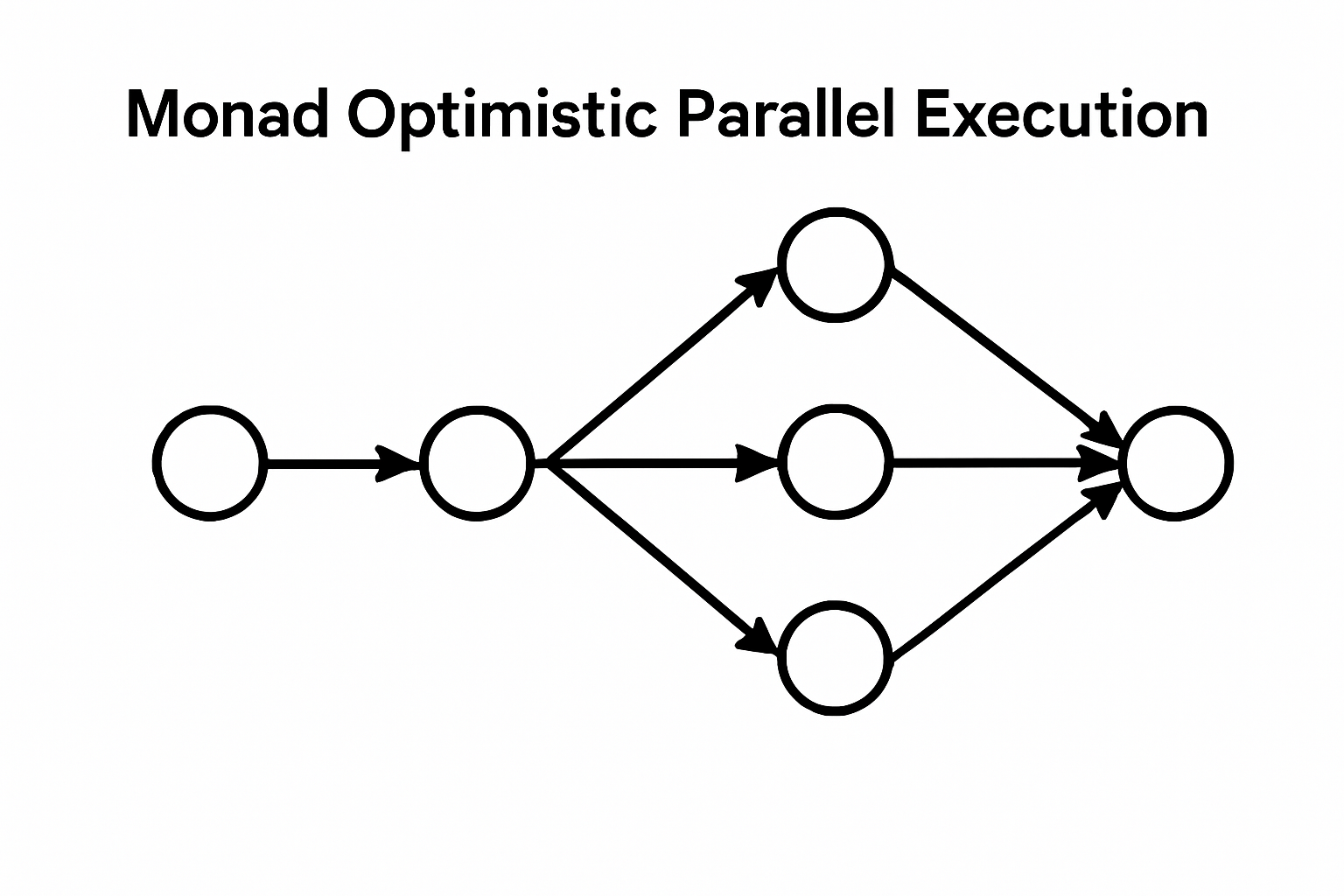
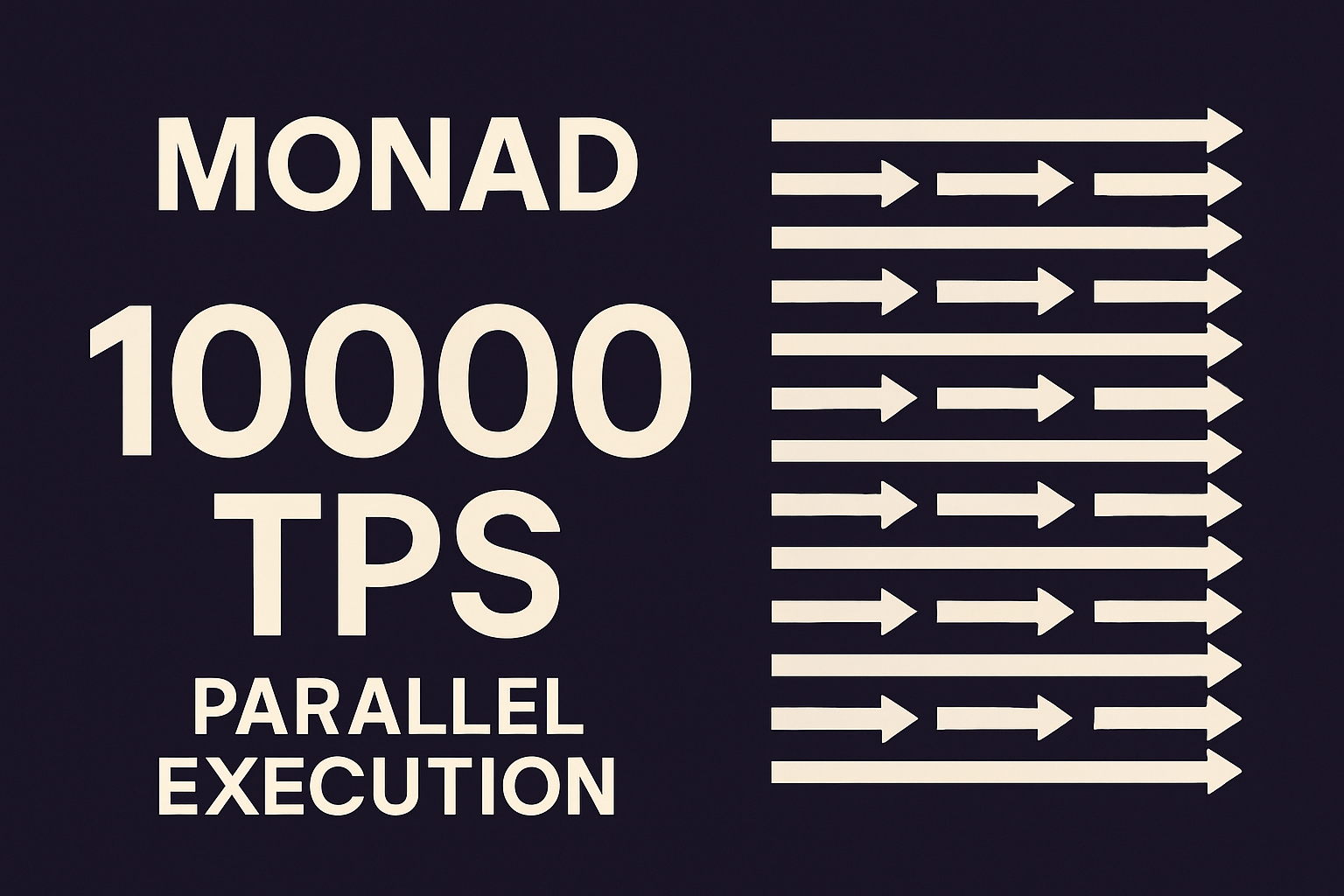
At the heart of the Monad tech stack lies its optimistic parallel execution engine. Traditional blockchains like Ethereum process transactions sequentially, creating massive bottlenecks as activity ramps up. Monad flips the script by executing multiple transactions at once, but only those that don't touch the same accounts or states. Think of it as a bustling kitchen where chefs prep independent dishes simultaneously; conflicts get resolved optimistically first, then verified deterministically to match Ethereum's exact outcomes. This approach delivers 10k TPS with sub-second finality, all while letting devs port dApps seamlessly. No rewrites needed, just drop and run.
Unlocking Speed with Optimistic Parallelism
Diving deeper into parallel EVM execution in Monad, the magic happens through smart transaction scheduling. The engine scans incoming txs, groups non-conflicting ones, and blasts them through in parallel. Overlapping ones? They queue up or rollback if needed, but the system's so efficient that rollbacks are rare. Paired with 500 million gas per second and 400ms block times, Monad hits metrics that make Solana blush while keeping EVM purity intact. I've tested similar concepts in simulations, and Monad's implementation feels rock-solid, paving the way for real-world DeFi explosions and NFT marketplaces that don't choke under load.
Monad's Core Innovations
- Optimistic Parallel Execution: Processes independent transactions concurrently for massive throughput, while ensuring deterministic EVM results.
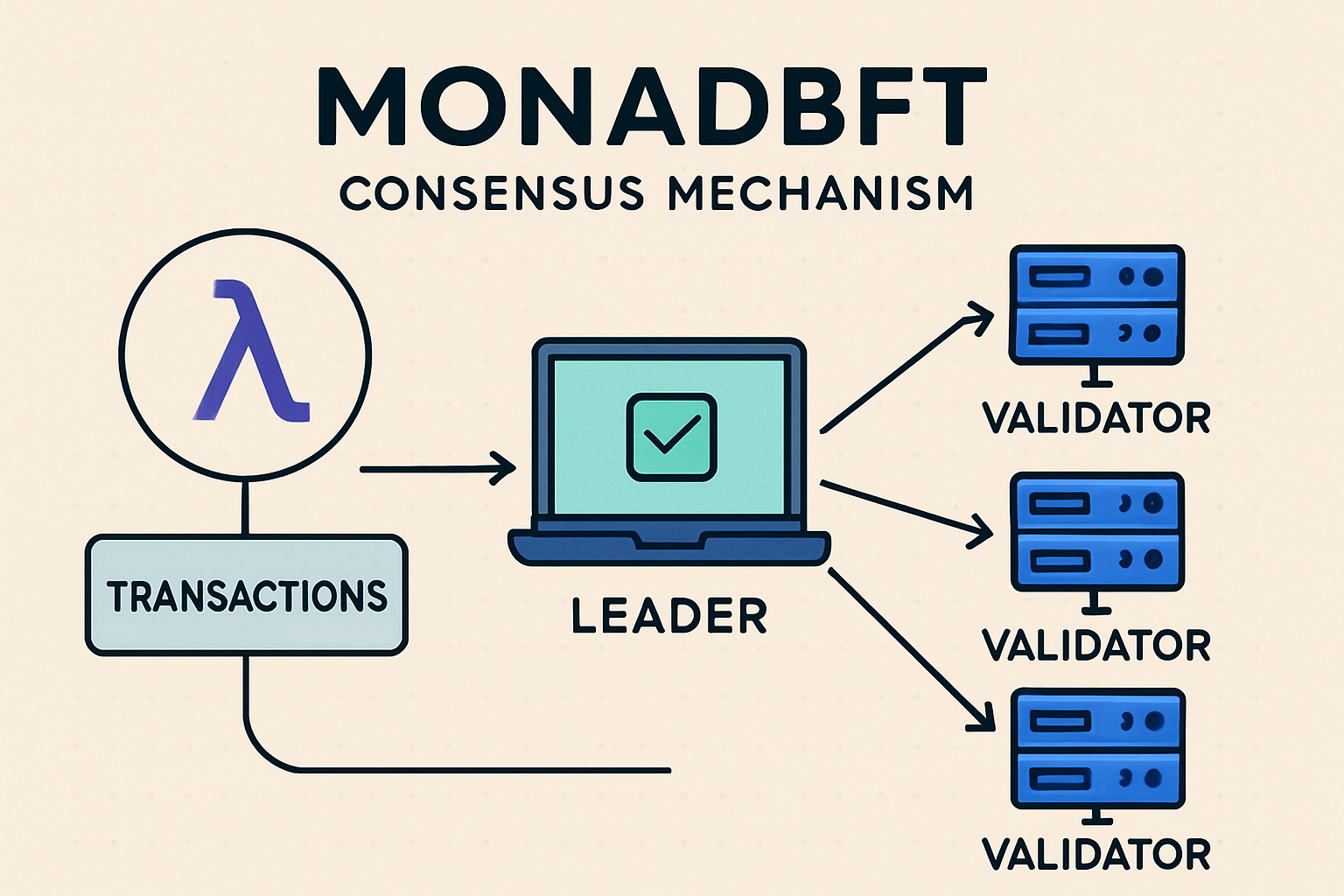
- MonadBFT Consensus: HotStuff-inspired with just two communication rounds for single-slot finality at network speed.
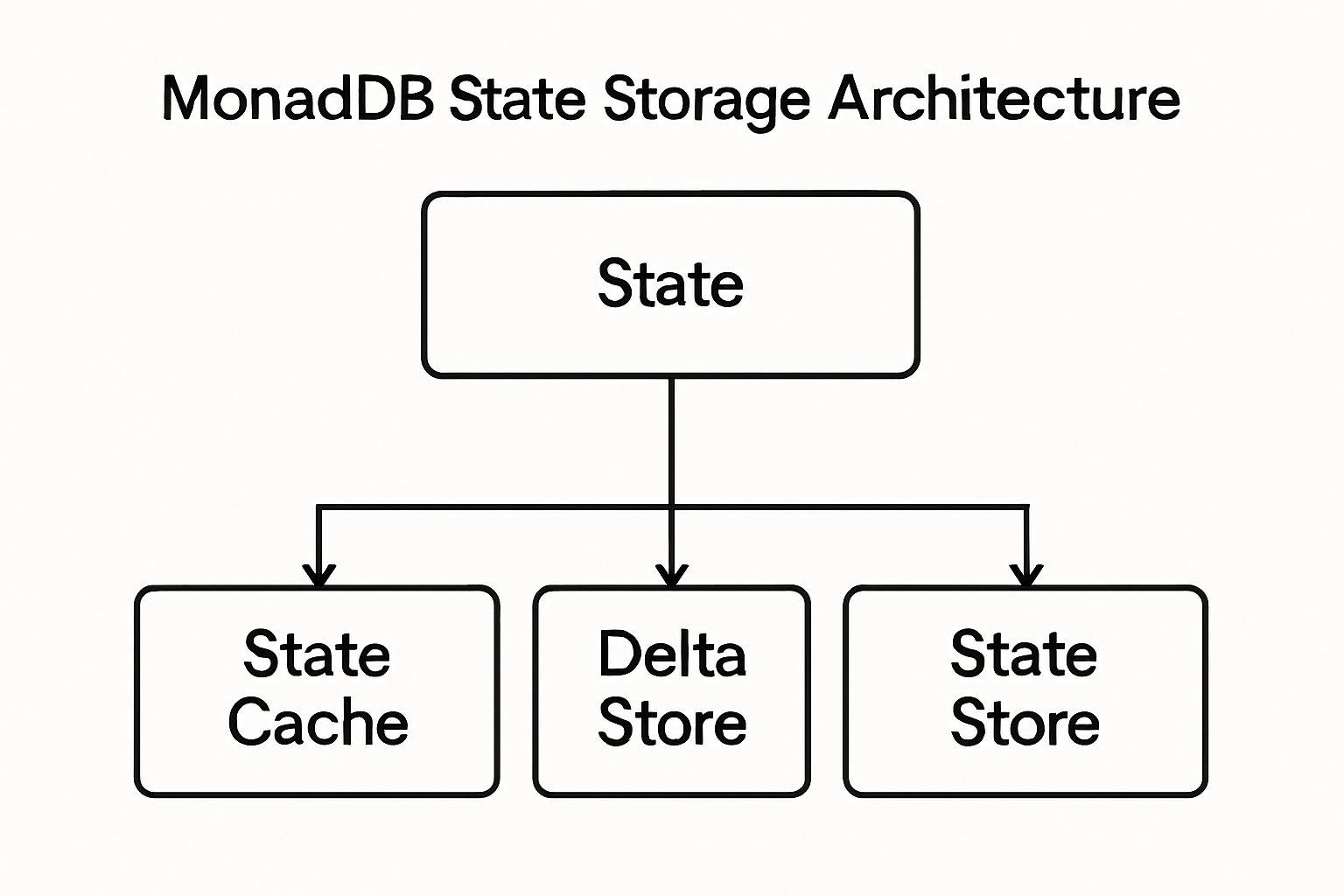
- MonadDB State Storage: Custom async database using SSDs for MPT access, ditching RAM bottlenecks for true decentralization.
- Full EVM Compatibility: Bytecode-level match lets Ethereum dApps migrate seamlessly with parallel execution perks.
- 10k+ TPS & Sub-Second Finality: Hits 10,000+ TPS with 0.8s finality via stacked optimizations.
What blows me away is how this maintains determinism. Parallel paths might take different routes, but they always arrive at the identical state root. Developers get Ethereum's comfort with hyperscale performance; enterprises eyeing Web3 can finally commit without custom chains.
MonadBFT: Consensus That Keeps Pace with Parallel Power
Execution alone doesn't win the race; you need consensus that scales too. Enter MonadBFT consensus, a streamlined beast inspired by HotStuff. It slashes communication rounds to just two, hitting single-slot finality at network latency speeds. No more waiting epochs or risking liveness issues under spam. Validators propose, vote, commit; done in under a second. This pairs perfectly with parallel execution, ensuring blocks finalize as fast as they're built. In my view, MonadBFT is the unsung hero here, enabling true high-throughput without centralization creep.
MonadDB and Asynchronous State: The Unsung Infrastructure Heroes
Parallelism thrives or dies on state access. Ethereum's RAM-heavy Merkle Patricia Trie chokes at scale, but MonadDB flips that with SSD-optimized storage. It's a custom database built for MPT, supporting asynchronous reads and writes that feed the execution engine without stalls. Multiple txs query state in parallel, slashing latency and hardware demands. This promotes decentralization; anyone with decent SSDs can validate, not just RAM whales. Combine it with Monad's other tweaks like superscalar pipelining, and you've got a stack that's lean, mean, and ready for 2025's dApp frenzy. Check out more on Monad's parallel EVM execution for the nitty-gritty.
These pieces don't just add up; they multiply. Parallel execution feeds MonadBFT's rapid consensus, backed by MonadDB's efficient storage, all EVM-vanilla. The result? A high-performance EVM chain that's already drawing builders tired of rollup roulette.
Builders are flocking because Monad lowers the barrier to hyperscale. Picture deploying a DEX that handles Black Friday-level volume without gas wars or failed txs. Or NFT drops where every mint succeeds instantly. That's the promise of this 10k TPS blockchain, validated by testnet benchmarks crushing Ethereum by orders of magnitude.
Solana Technical Analysis Chart
Analysis by Sophie Linton | Symbol: BINANCE:SOLUSDT | Interval: 1h | Drawings: 6
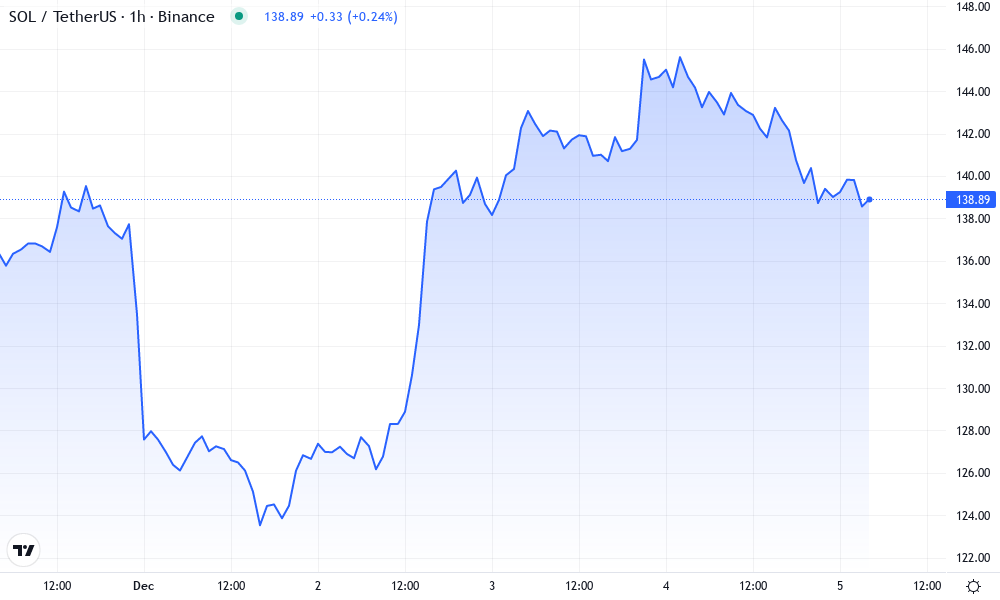
Technical Analysis Summary
Hey traders, Sophie here with my aggressive take on this SOLUSDT 5-min chart from Dec 5, 2025. Price is grinding higher in a tight range post-dip, screaming for a breakout above 190. Start by drawing an ascending trendline from the 12:30 low at 188.20 connecting to the 14:30 swing high at 189.80 – that's your bull channel lower boundary (use trend_line, green). Add horizontal resistance at 190.00 (horizontal_line, red, thick) where we've rejected twice. Fib retracement from recent high 190.00 to low 188.20: pull 0.618 at ~189.20 as entry zone (fib_retracement). Mark support at 188.50 with horizontal_line (blue). Long position marker at 189.20, profit target arrow up at 191.50, stop below 188.00. Volume spiking on greens – callout 'Volume surge' at 15:00. MACD bullish cross – arrow_mark_up at crossover. Rectangle over 14:00-16:00 consolidation 188.50-189.80. This setup's primed for swing long with my high-risk style!
Risk Assessment: medium
Analysis: Tight range with bullish indicators but resistance overhead; high reward potential aligns with my aggressive style
Sophie Linton's Recommendation: Go long on pullback to 189.20, target 191.50 – swing trade this with Monad hype fueling SOL!
Key Support & Resistance Levels
📈 Support Levels:
- $188.5 - Strong intraday low with volume support strong
- $188.2 - Session low, psychological floor moderate
📉 Resistance Levels:
- $190 - Double top rejection zone strong
- $189.8 - Recent swing high moderate
Trading Zones (high risk tolerance)
🎯 Entry Zones:
- $189.2 - Fib 0.618 retrace in uptrend channel, volume pickup medium risk
- $188.5 - Bounce off strong support for aggressive dip buy high risk
🚪 Exit Zones:
- $191.5 - Measured move target from range height 💰 profit target
- $188 - Below support invalidation 🛡️ stop loss
Technical Indicators Analysis
📊 Volume Analysis:
Pattern: increasing on up candles
Bullish volume divergence, confirming buyer control post-dip
📈 MACD Analysis:
Signal: bullish crossover
MACD line crossing signal from below, momentum shift
Applied TradingView Drawing Utilities
This chart analysis utilizes the following professional drawing tools:
Disclaimer: This technical analysis by Sophie Linton is for educational purposes only and should not be considered as financial advice. Trading involves risk, and you should always do your own research before making investment decisions. Past performance does not guarantee future results. The analysis reflects the author's personal methodology and risk tolerance (high).
Let's break down the numbers that matter. Monad clocks 10,000 and TPS, 0.8-second finality, and 500M gas per second on modest hardware. Ethereum? Struggles at 15-30 TPS sequential grind. Solana hits high throughput but sacrifices EVM compatibility and battles outages. Monad threads the needle: EVM bytecodes run unchanged, parallelized for speed. I've pored over the whitepapers, and the optimistic execution's conflict detection is elegant - it speculates on independence, executes in parallel, then checks for state clashes post-facto. Conflicts revert seamlessly, keeping the ledger pristine.
Why Monad's Parallel Execution Outshines the Rest
In the crowded field of high performance EVM chains, Monad's parallel EVM execution shines through determinism. Other attempts like Sei or Neon approximate parallelism but demand code changes or lose fidelity. Monad? Zero compromises. Transactions execute concurrently via a scheduler that builds dependency graphs on the fly, routing non-overlapping ops to worker threads. Storage ops async via MonadDB, so no I/O waits kill momentum. This isn't bolted-on; it's from the silicon up, with custom VM opcodes pipelined like a superscalar CPU. Devs tell me it's liberating - fork Uniswap, tweak for Monad, watch TVL skyrocket without L2 complexity.
Zoom out to the full Monad tech stack: execution, consensus, storage in symphony. MonadBFT commits blocks at 400ms intervals, its two-round HotStuff variant dodging Byzantine faults with pipelined votes. No leader timeouts or view changes bogging progress. MonadDB, meanwhile, trades RAM for SSD smarts, using two-tier caching (in-memory hot paths, disk cold storage) tailored to MPT proofs. Validators sync states asynchronously, parallelizing everything end-to-end. The payoff? Single-digit dollar nodes, true decentralization at warp speed.
Monad Dev Superpowers
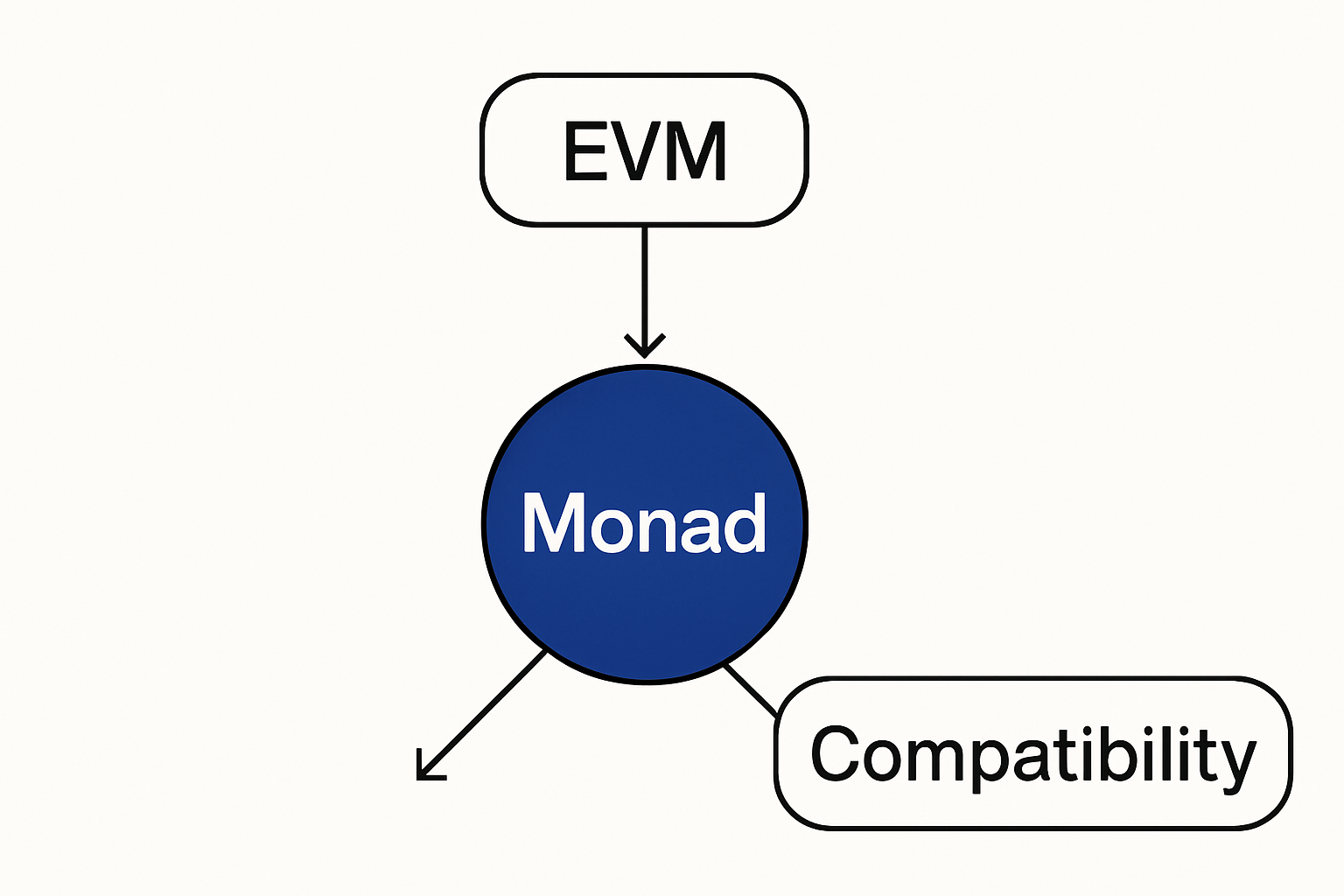
- Seamless EVM Compatibility: Drop in Ethereum dApps with zero code changes for instant migration.
- 10k TPS Throughput: Power high-frequency DeFi trading without bottlenecks or sky-high fees.
- Sub-Second Finality: Unlock real-time gaming and interactive apps with 0.8s speed.

- Low Hardware Needs: Run validators on SSDs, boosting decentralization and participation.

- MonadDB Efficiency: Turbocharge state queries for complex smart contracts via async access.
Real-World Impact: From Testnet to Mainnet Domination
Testnets already prove it: stress tests with millions of txs show stable 10k TPS peaks, no reorgs, gas prices under pennies. Imagine DeFi protocols settling cross-chain instantly or social apps with on-chain feeds that don't lag. Enterprises get compliance-friendly scaling; no more sharding nightmares. For NFT enthusiasts like me, it's minting marathons without front-running hell. Dive deeper into how Monad achieves 10,000 TPS with parallelized EVM execution to see the benchmarks yourself.
Challenges remain, sure - optimistic rollbacks could spike under pathological spam, but mitigations like tx bundling and fee markets keep it tame. Security audits are rigorous, with formal verification on key paths. Compared to rollup centralization risks, Monad's L1 purity feels refreshing. As mainnet nears, expect a dev exodus from congested chains. Protocols will rebuild here first: lending, perps, yield farms optimized for parallelism.
The ecosystem buzzes already - grants flowing, RPC endpoints live, tools like Foundry plugins ready. Monad isn't just faster; it's the EVM evolution devs craved. Pair this stack with vibrant community incentives, and you've got a Web3 powerhouse primed for mass adoption. If you're building or trading, eyes on Monad: it's redefining what's possible without reinventing the wheel.




No comments yet. Be the first to share your thoughts!