


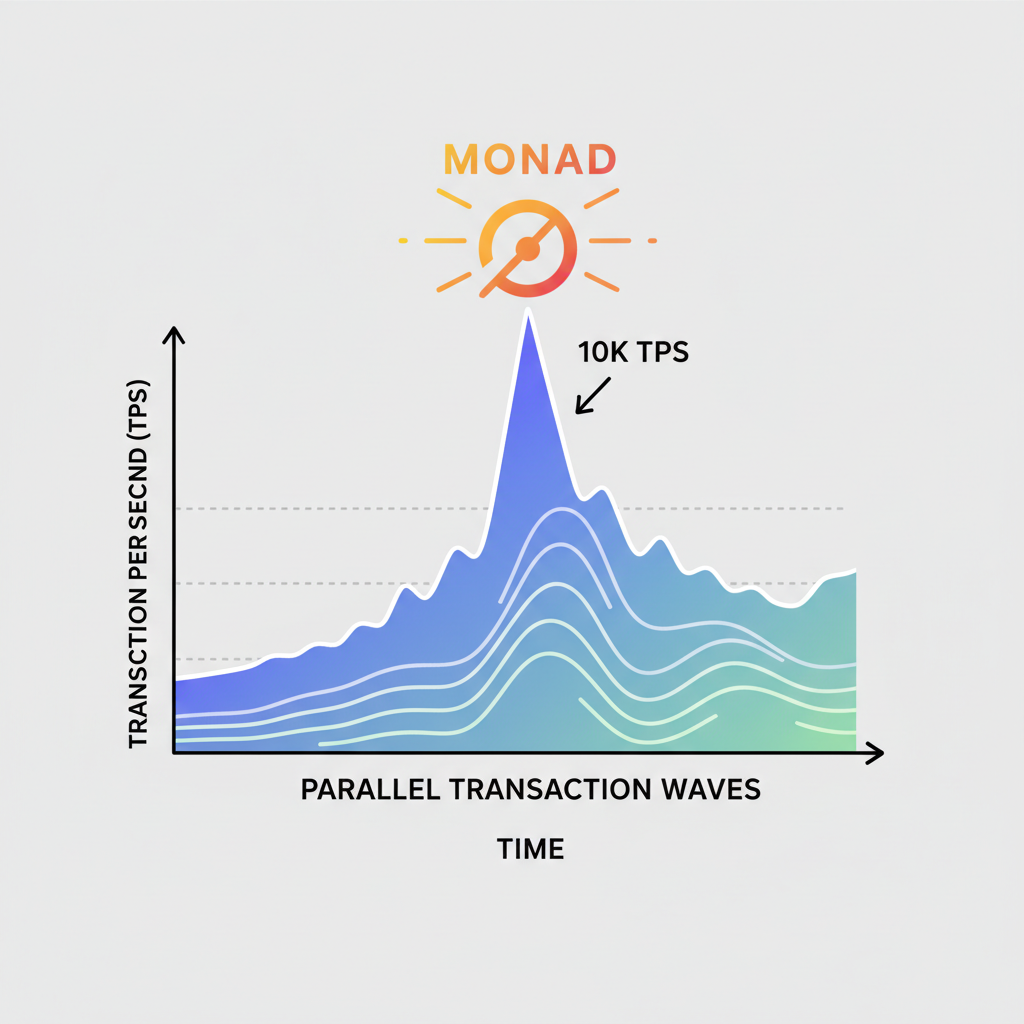
Picture this: Ethereum’s EVM, the gold standard for smart contracts, chugs along at 15-30 transactions per second, leaving high-frequency DeFi traders and gaming dApps in the dust. Enter Monad parallel execution, a breakthrough that cranks out 10,000 TPS on a fully EVM-compatible chain. No rewrites needed for your Solidity code, just pure speed without the usual trade-offs in security or decentralization. As Monad’s mainnet hums along in 2026 with 0.4-second block times and 0.8-second finality, it’s rewriting what’s possible in Web3.

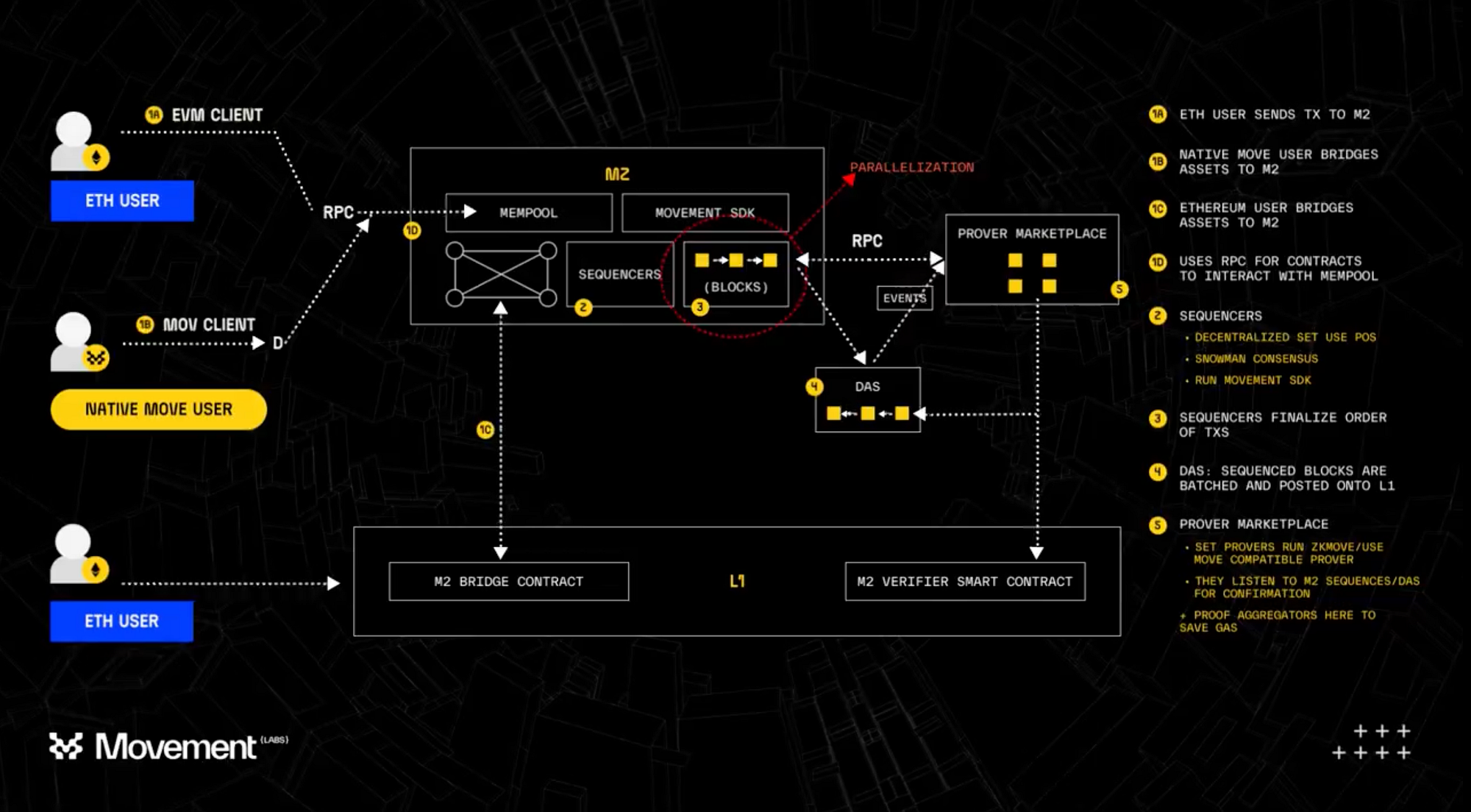
Developers have chased EVM parallelization for years, but Monad nails it. Traditional blockchains process transactions one by one, like cars funneled through a single toll booth. If Alice transfers ETH to Bob while Chris swaps tokens on a DEX, everything waits in line. This sequential grind caps throughput and spikes latency, especially under load. Monad flips the script by spotting independent transactions and executing them side-by-side, squeezing every ounce of performance from modern hardware.
Why Sequential Execution Holds Back High-Performance EVM Chains
In the classic EVM, every operation reads and writes to a shared state database in strict order. One conflicting access, like two trades hitting the same liquidity pool, halts the entire block. It’s safe, sure, but painfully slow. Benchmarks show Ethereum maxing at dozens of TPS, Solana hitting thousands via non-EVM tricks, but nothing matches Monad’s 10,000 TPS EVM combo. I’ve seen dApps bottleneck on mainnet; it’s frustrating when user experience tanks because of architecture, not code.
Monad’s edge? It re-engineers the EVM namespace for parallelism without breaking compatibility. State accesses are tagged by object IDs, letting the engine bundle non-overlapping ops. Think of it as a orchestra conductor assigning instruments to play harmonies instead of solos. This parallel EVM execution isn’t optimistic guessing; it’s deterministic, ensuring results match sequential runs byte-for-byte.
Unlocking Throughput with Monad’s Deferred Execution Model
Parallelism alone isn’t enough; Monad layers on a deferred execution model to slash overhead. Validators don’t execute transactions during consensus, they just agree on order via MonadBFT, a HotStuff-inspired protocol that’s lightning-quick. Once the block is sealed, execution happens asynchronously and in parallel, respecting dependencies like a smart scheduler.
For example, independent transfers fly through concurrently, while a complex DeFi swap depending on prior state waits its turn. This decouples consensus (fast, 0.4s blocks) from execution (high-throughput), dodging the pitfalls of execute-first models that bloat leader duties. The result? Near-zero fees and sub-second finality, perfect for real-time apps. No wonder third-party audits confirm Monad’s claims; it’s not vaporware.
I’ve advised startups on tokenomics, and Monad’s design shines for community-driven projects. High TPS means more users, more engagement, without gas wars.
MonadDB: The Storage Layer That Keeps Pace with 10k TPS
Even the slickest execution engine chokes without fast storage. Enter MonadDB, a custom key-value store tuned for SSDs and async I/O. Forget serialized Merkle proofs; MonadDB batches state diffs across threads, concurrent reads/writes galore. It caches hot data in RAM, spills to disk only when needed, and prunes history efficiently.
Traditional chains serialize everything, turning storage into a chokepoint at scale. MonadDB sidesteps this, handling 10,000 TPS writes without breaking a sweat. Pair it with parallel execution, and you’ve got a chain that scales linearly with hardware, no sharding hacks required. Developers port Ethereum contracts seamlessly, tools like Foundry and Hardhat work out-of-box.
Ethereum Technical Analysis Chart
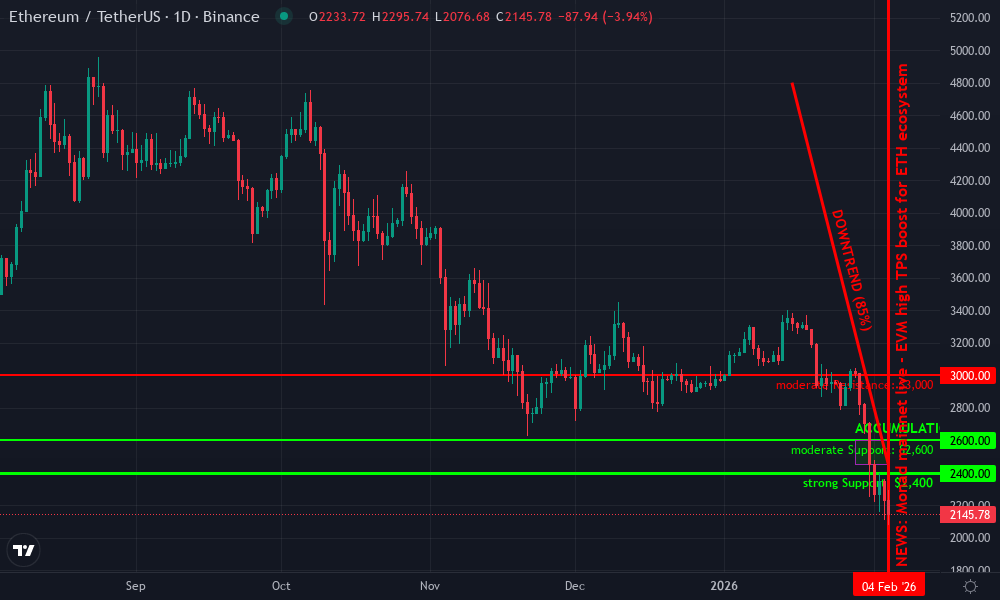
Analysis by Market Analyst | Symbol: BINANCE:ETHUSDT | Interval: 1D | Drawings: 6
Technical Analysis Summary
Draw a prominent downtrend line connecting the swing high around $4,800 on 2026-01-15 to the recent low near $2,450 on 2026-02-04, using ‘trend_line’ tool in red. Add horizontal support at $2,400 (strong) and resistance at $3,000 (moderate) and $4,000 (weak). Mark a potential accumulation range from 2026-01-28 to 2026-02-04 between $2,450-$2,600. Place entry long zone at $2,450 with stop below $2,400 and target $3,000. Use arrow up on MACD for potential bullish divergence and callout on volume spike at bottom. Vertical line for Monad mainnet news on 2026-02-04. Text notes for key insights.
Risk Assessment: medium
Analysis: Bearish trend intact but oversold with positive news catalyst; medium tolerance suits scaled entries
Market Analyst’s Recommendation: Wait for confirmation above $2,600 before adding longs, target $3,000
Key Support & Resistance Levels
📈 Support Levels:
-
$2,400 – Strong volume-supported bottom, recent lows holding
strong -
$2,600 – Intermediate support from prior consolidation
moderate
📉 Resistance Levels:
-
$3,000 – Key psychological and prior swing low turned resistance
moderate -
$4,000 – Major resistance from January breakdown
weak
Trading Zones (medium risk tolerance)
🎯 Entry Zones:
-
$2,450 – Bounce from strong support with Monad news catalyst, RSI oversold
medium risk
🚪 Exit Zones:
-
$3,000 – First major resistance target
💰 profit target -
$2,350 – Below key support invalidates long
🛡️ stop loss
Technical Indicators Analysis
📊 Volume Analysis:
Pattern: climax selling at lows
High volume on downside exhaustion, potential reversal signal
📈 MACD Analysis:
Signal: bearish but diverging bullish
MACD histogram contracting, line crossover weakening
Applied TradingView Drawing Utilities
This chart analysis utilizes the following professional drawing tools:
Disclaimer: This technical analysis by Market Analyst is for educational purposes only and should not be considered as financial advice.
Trading involves risk, and you should always do your own research before making investment decisions.
Past performance does not guarantee future results. The analysis reflects the author’s personal methodology and risk tolerance (medium).
This trifecta, parallel execution, deferred model, MonadDB, powers Monad EVM compatibility parallel magic. It’s opinionated engineering: prioritize performance without Ethereum purity compromises. As mainnet data rolls in, expect dApps to flock here for the speed boost.
Let’s zoom in on those benchmarks shaking up the industry. Monad’s mainnet, live since early 2026, routinely hits 10,000 TPS under real workloads, with peaks pushing higher during stress tests. Independent validators and third-party audits, like those from Nansen and Ledger, back these numbers, showing consistent 0.8-second finality even when dApps hammer the chain with swaps, mints, and transfers. It’s not just lab conditions; live data from DeFi protocols and NFT drops confirms the evm parallelization monad delivers where others falter.
Benchmark Breakdown: Monad vs. the Competition
Stack Monad against Ethereum, which limps at 15-30 TPS, or even Aptos and Sui, which sacrifice EVM compatibility for speed. Monad keeps the full Ethereum toolchain while lapping them in throughput. Solana’s non-EVM world hits high TPS but with outages and centralization risks. Monad’s parallel execution sidesteps those issues, processing non-conflicting txs simultaneously for linear scaling.
Monad vs. Competitors: Performance Comparison
| Blockchain | TPS | Finality | EVM Compat. | Fees |
|---|---|---|---|---|
| Monad | 10,000 | 0.8s | ✅ Full | Near zero |
| Ethereum | 30 | 12s | ✅ Full | Variable (higher during congestion) |
| Solana | 65,000 (theoretical) | Sub-second* | ❌ No | Very low |
| Sui/Aptos | High (>100,000 theoretical) | Sub-second | ❌ No | Low |
Numbers don’t lie, but real impact does. Imagine a DEX handling flash loans at sub-second speeds without frontrunning chaos or a gaming platform minting assets for thousands without queues. That’s Monad’s playground.
For Developers: Porting dApps to Leverage 10,000 TPS EVM Power
Here’s the beauty: zero code changes. Grab your Foundry project, tweak the RPC to Monad’s endpoint, and deploy. The EVM bytecodes run identically, but now with parallel magic under the hood. Want to optimize further? Tag state accesses explicitly or structure contracts to minimize conflicts, unlocking even more parallelism. I’ve guided Web3 teams through this; the TPS jump revitalizes stale projects overnight.
Unlock 10k TPS: Hands-On Monad Parallel Execution Guide


Take a Uniswap fork: sequential execution bogs down during volatility, but on Monad, multiple trades parallelize if they hit different pools. Gaming dApps mint NFTs in batches without halting the game loop. High-frequency bots? They thrive without gas auctions crippling profitability. This monad 10000 tps evm reality draws builders tired of L2 fragmentation.
Diving deeper into the tech, Monad’s parallel scheduler uses dependency graphs to order execution post-consensus. Transactions form a DAG where independent nodes run concurrently across CPU cores. MonadBFT seals blocks in 0.4 seconds, then execution fans out. MonadDB’s async I/O ensures state commitments don’t lag, with Merkle proofs generated in parallel too. It’s a symphony of optimizations, each amplifying the others.
Mainnet benchmarks reveal how this holds under adversarial conditions, like spam attacks or MEV bursts. No reorgs, no stalls; just smooth 10k TPS flow.
Challenges remain, sure. Parallelism demands careful state design to avoid diamond dependencies that serialize everything. But tools evolve fast: Monad’s debugger visualizes tx graphs, helping devs spot bottlenecks. Community forums buzz with patterns for DeFi composability at scale.
Zoom out, and high performance evm chain monad isn’t just faster; it redefines economics. Near-zero fees enable microtransactions for social apps, IoT oracles, and prediction markets that Ethereum dreams of. Enterprises eyeing blockchain for supply chains get reliable throughput without custom chains. As adoption swells, network effects kick in, pulling more liquidity and talent.
Monad’s mainnet proves the vision: 10,000 TPS EVM chain that’s decentralized, secure, and developer-friendly. dApps migrating now position for Web3’s high-stakes future, where speed wins users and revenue. If you’re building, this is your runway.
About the Author