
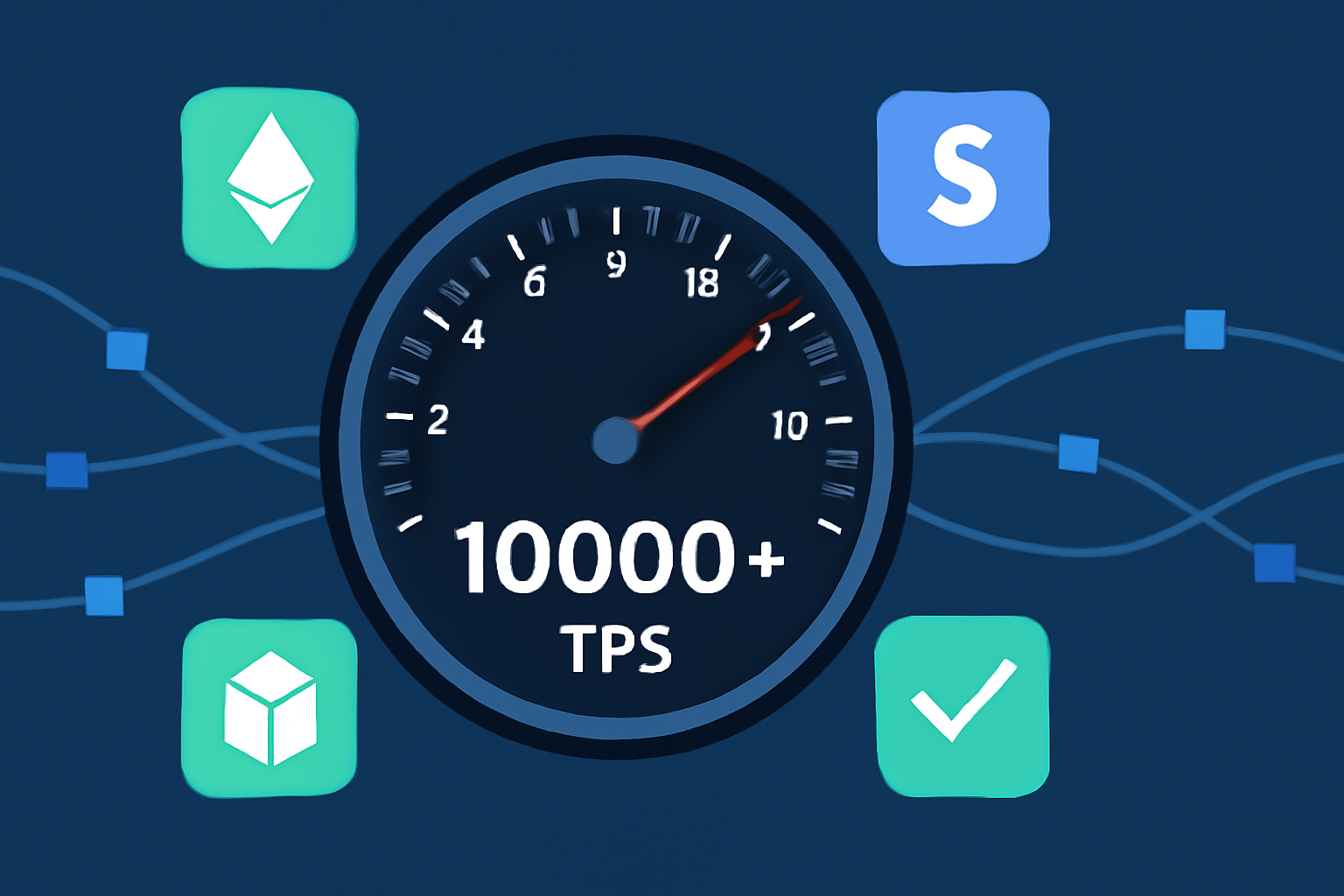
Blockchain scalability remains a defining challenge for decentralized applications, especially those built on Ethereum-compatible chains. While most EVM blockchains are bottlenecked by sequential transaction processing, Monad blockchain TPS stands out with a staggering 10,000 and transactions per second (TPS) and 1-second block times. This performance leap is not incremental but transformative, powered by a set of architectural breakthroughs that redefine what’s possible for high-performance EVM chains.
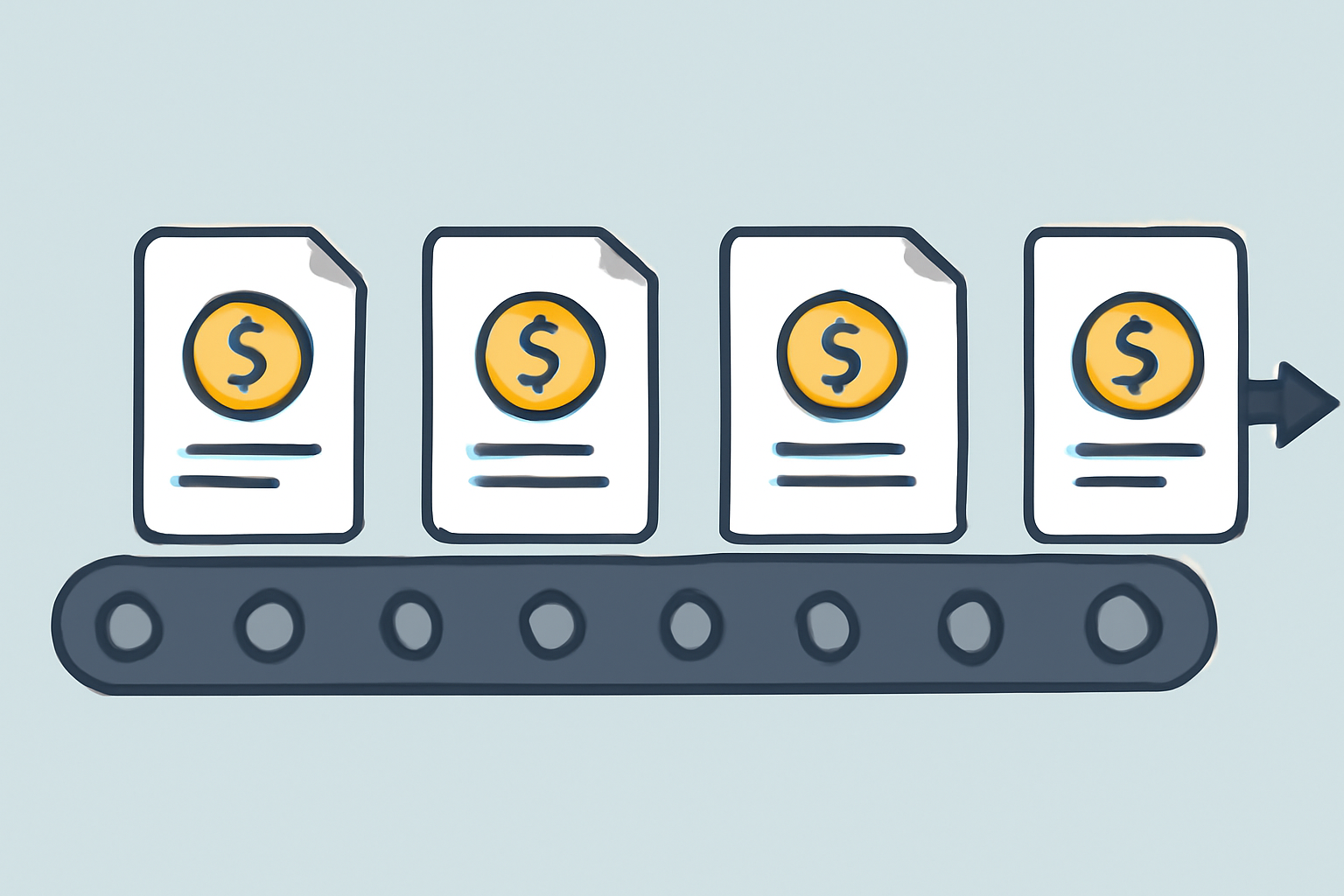
The Bottleneck: Sequential EVM Execution
Traditional EVM-based blockchains process transactions one after another. This sequential approach ensures deterministic state changes and compatibility with existing Ethereum applications, but it also means throughput is limited by the speed of single-threaded execution. As DeFi, NFT markets, and on-chain games demand ever-increasing capacity, this legacy model has become a critical constraint.
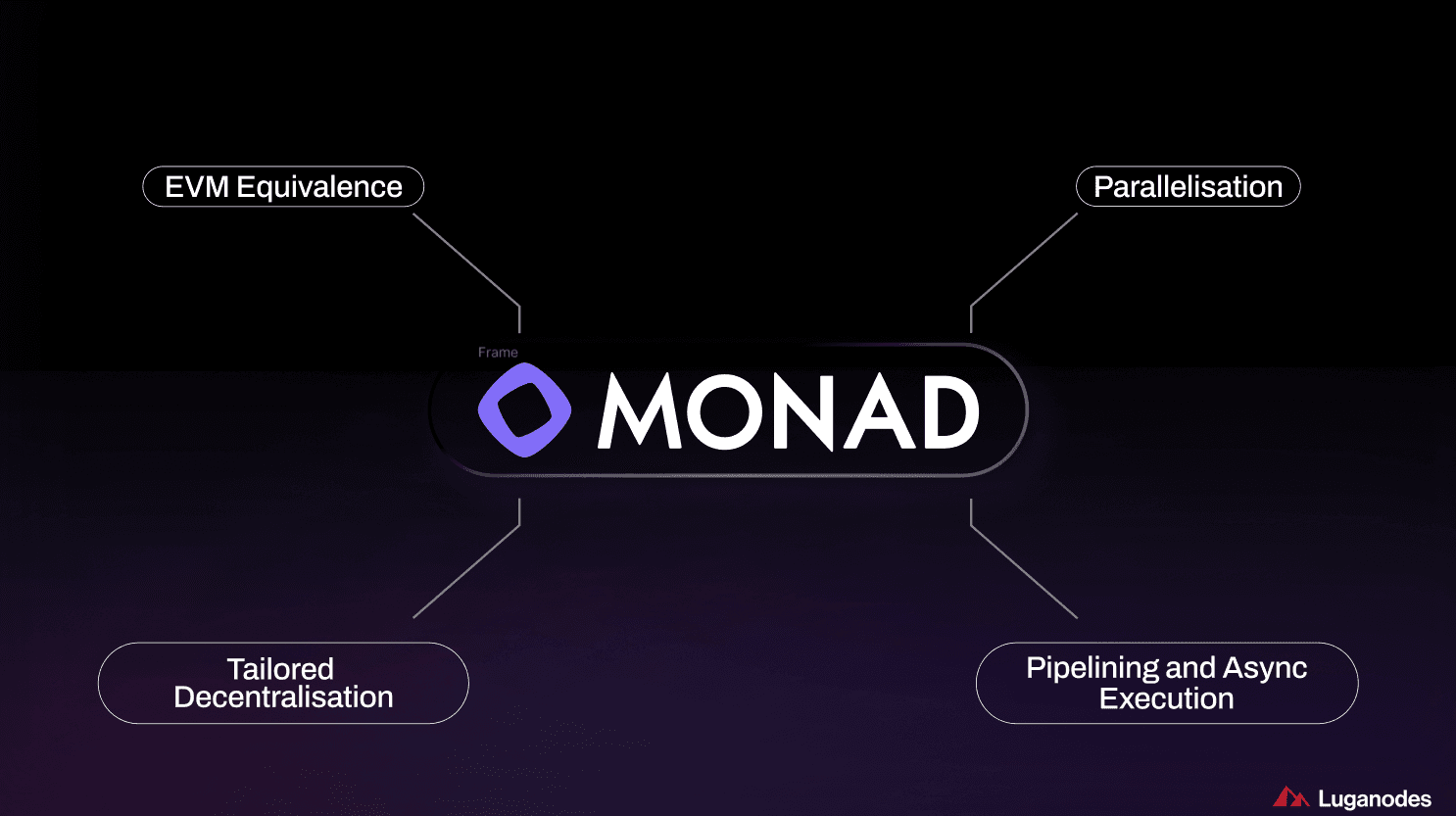
Other platforms have attempted to scale by increasing hardware requirements or introducing complex sharding mechanisms. Monad takes a fundamentally different path: EVM parallelization. By identifying which transactions are independent (i. e. , do not touch the same state or contracts), Monad executes them in parallel across multiple CPU cores. The result? Orders-of-magnitude improvement in both throughput and latency without sacrificing EVM compatibility.
How Parallelized Execution Works on Monad
The core innovation behind Monad’s transaction speed is its ability to process multiple EVM transactions simultaneously while maintaining a consistent global state. Here’s how:
How Monad Achieves 10,000+ TPS: Step-by-Step Innovations
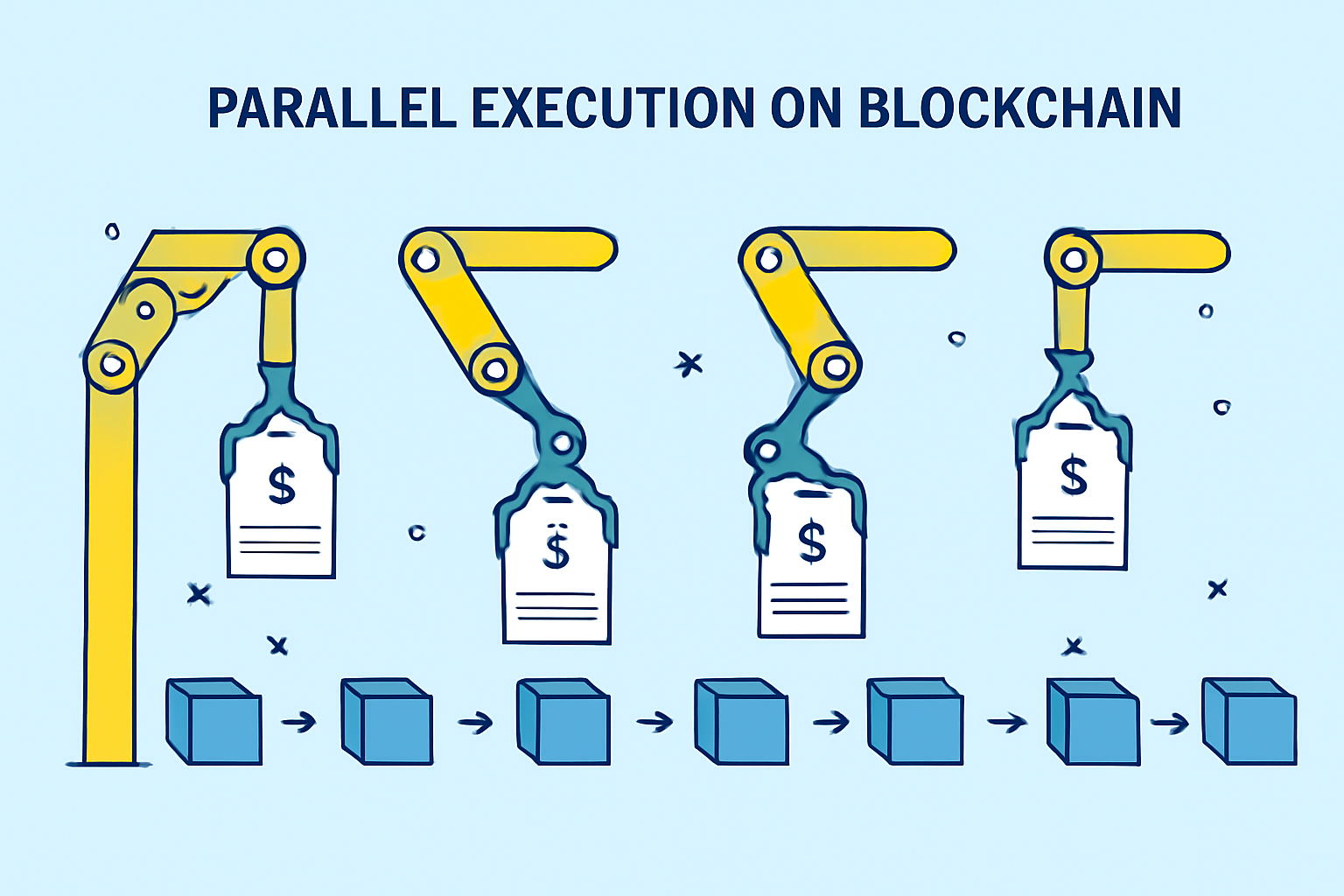
Monad analyzes each incoming block to determine dependencies among transactions. Independent transactions are grouped and dispatched to different execution threads. Thanks to this approach, the network can fully utilize modern multi-core processors rather than being limited by single-threaded performance.
This parallel execution is further amplified by MonadDB, a custom-built state database optimized for high-speed parallel access. Unlike conventional blockchain databases that rely heavily on RAM or slow disk reads, MonadDB leverages SSDs and clever caching strategies to deliver rapid Merkle Patricia Trie operations at scale. This not only boosts speed but also keeps hardware requirements low - democratizing validator participation and enhancing decentralization.
Decoupling Consensus from Execution: The Asynchronous Advantage
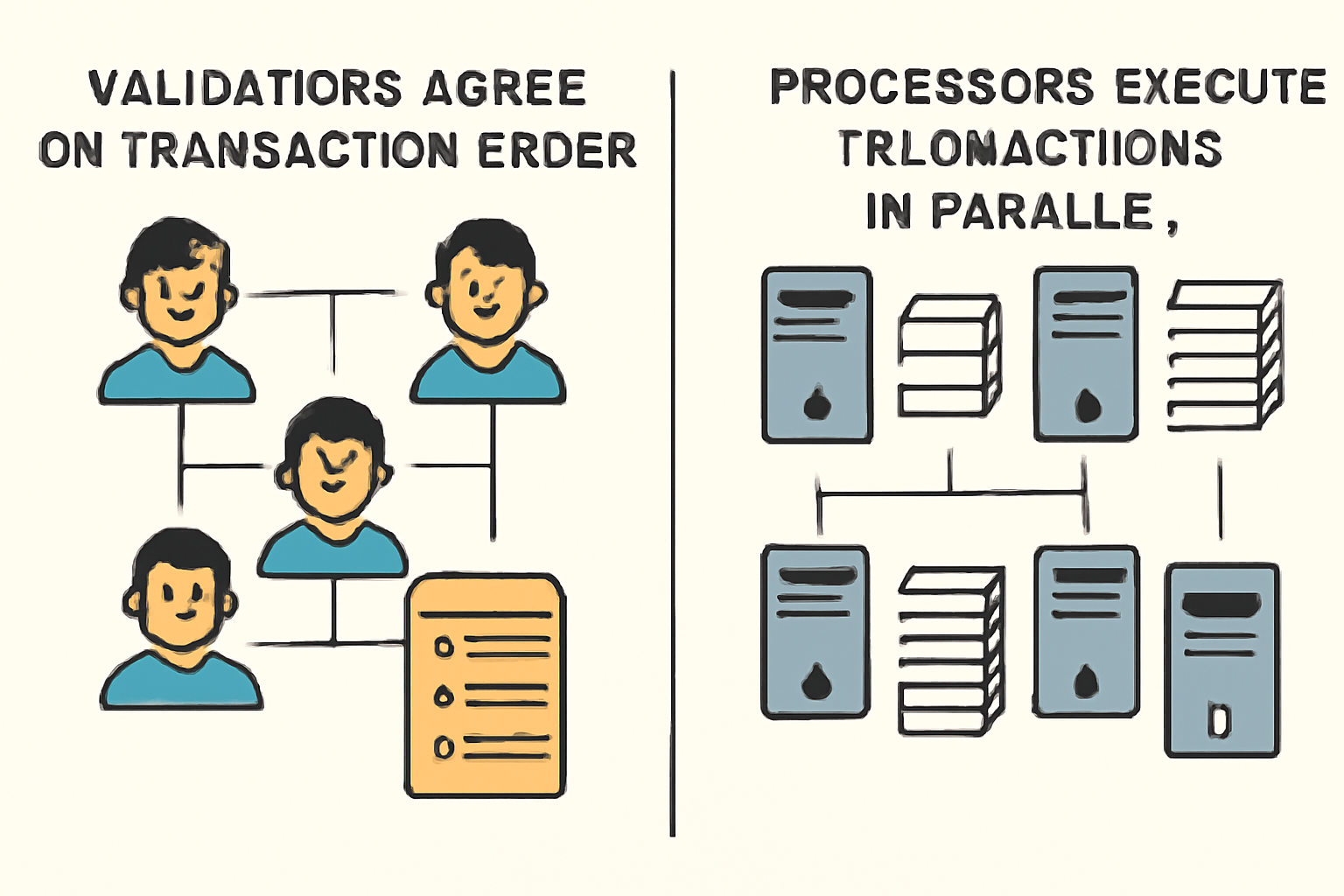
A second pillar of Monad’s architecture is its decoupling of consensus and execution processes. Most blockchains require all nodes to agree on both the order and outcome of every transaction before progressing. In contrast, Monad separates these concerns:
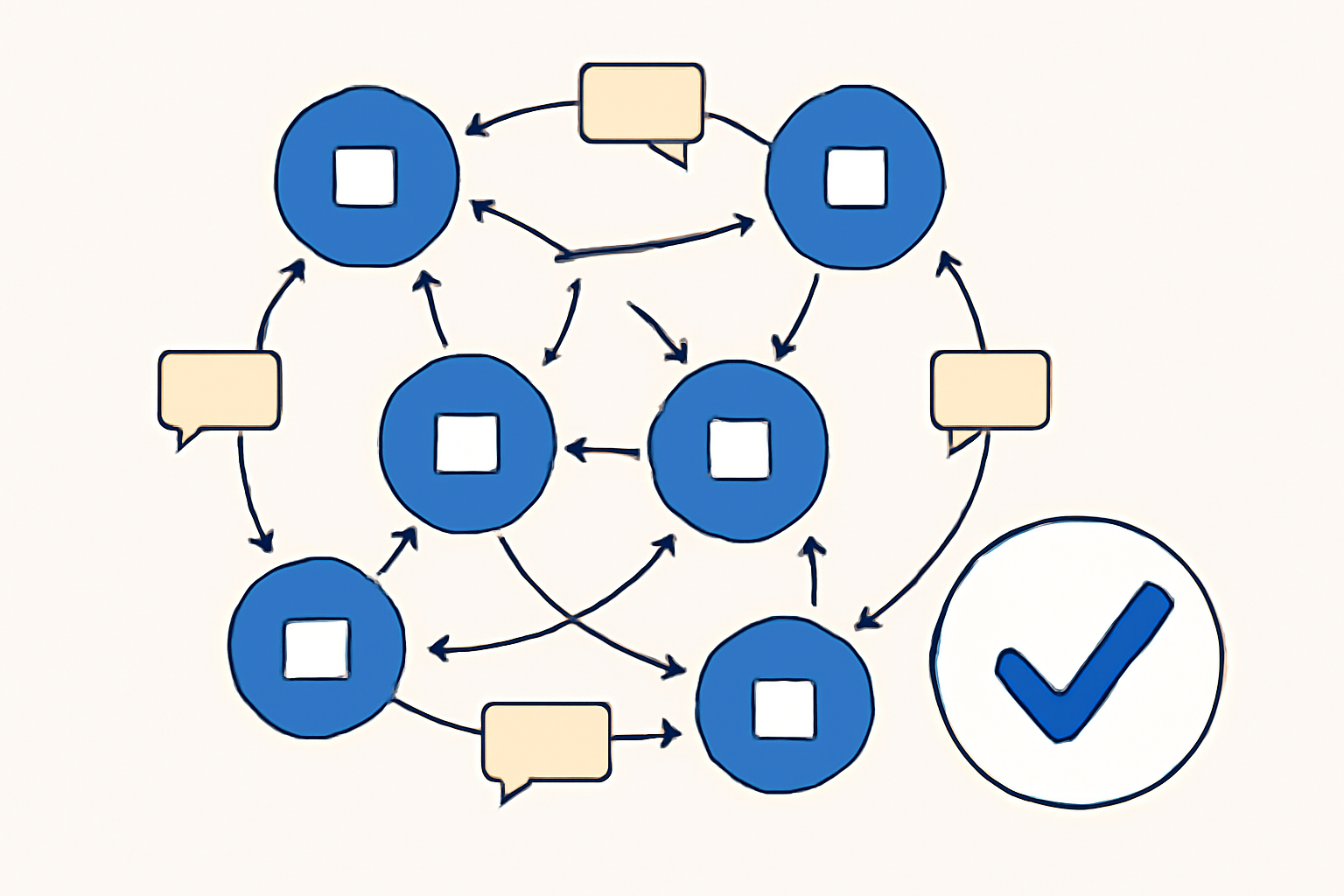
- Consensus layer: Orders transactions into blocks using the high-throughput MonadBFT consensus mechanism, inspired by HotStuff but optimized for speed and scalability.
- Execution layer: Processes ordered transactions in parallel as soon as consensus is reached, maximizing resource utilization and reducing overall latency.
This design enables single-slot finality - meaning that once a block is confirmed, it’s instantly irreversible - while supporting validator sets large enough to ensure robust security.
The net effect of this decoupling is a blockchain that feels as responsive as a centralized database, yet retains all the trustless, tamper-resistant properties essential to decentralized systems. Developers targeting high-performance EVM chains can build latency-sensitive applications, think real-time games, high-frequency trading platforms, or composable DeFi protocols, without worrying about bottlenecks or unpredictable confirmation times.
Why Monad’s Parallelization Matters for Web3 Builders
For builders and enterprises, Monad’s unique approach to EVM parallelization unlocks several practical advantages:
Real-World Use Cases Powered by Monad's 10,000+ TPS
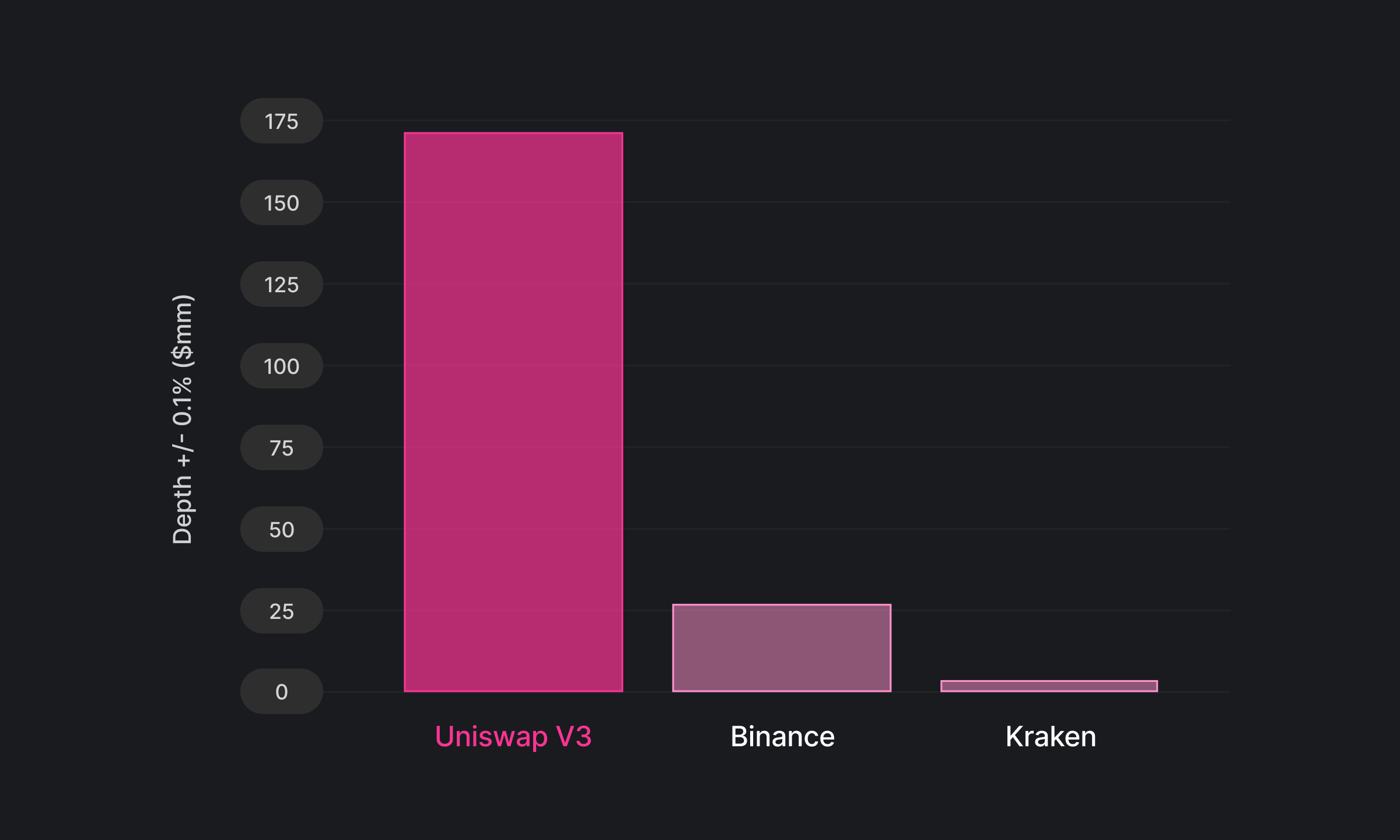
- High-Frequency Decentralized Exchanges (DEXs): Monad's parallelized EVM execution enables DEXs like Uniswap to process thousands of trades per second with minimal latency, supporting real-time trading and deep liquidity even during volatile market events.
- Scalable NFT Marketplaces: Platforms such as OpenSea can leverage Monad's high throughput to handle mass NFT minting, auctions, and transfers simultaneously, ensuring smooth user experiences during popular drops.

- On-Chain Gaming at Scale: GameFi projects like Axie Infinity can run complex, interactive games on-chain, supporting thousands of concurrent players and transactions without bottlenecks.

- Real-Time Payments and Remittances: Payment protocols such as USDC by Circle can facilitate instant, low-cost cross-border payments and microtransactions, benefiting from Monad's near-instant finality and high TPS.

- Decentralized Social Networks: Projects like Lens Protocol can support millions of interactions—posts, likes, follows—in real time, enabling seamless decentralized social experiences on-chain.
First, maintaining full EVM bytecode compatibility means existing Ethereum smart contracts can be deployed to Monad with minimal changes. This reduces migration friction and lets projects immediately benefit from the network’s speed and efficiency gains. Second, low hardware requirements, enabled by the efficient design of MonadDB, lower the barrier for validator participation. This enhances decentralization and network resilience compared to chains that demand enterprise-grade infrastructure.
Third, single-slot finality ensures that applications relying on rapid settlement (such as order books or prediction markets) can operate securely at scale. And finally, by processing transactions in parallel without introducing complex sharding or sidechain architectures, Monad offers a more straightforward path to scaling mainstream blockchain adoption.
Performance Benchmarks: How Monad Stacks Up
When comparing Monad transaction speed with other blockchains, the difference is stark. Most EVM-compatible L1s top out at a few hundred TPS under real-world conditions; even Solana-class chains rarely sustain 10,000 and TPS with sub-second finality and standard hardware.
This performance profile makes Monad an attractive option for dApps where user experience can’t be compromised by congestion or slow confirmations. As network adoption grows and new developer tooling emerges around Monad’s architecture, expect a wave of next-generation applications that were previously impractical on legacy EVM networks.
The Future of Scalable EVM Chains
Monad’s innovations come at a pivotal moment for blockchain scalability debates. Rather than forcing developers to choose between compatibility and performance, or between decentralization and speed, Monad delivers all three through technical rigor and architectural clarity.
The result is an ecosystem primed for explosive growth across DeFi, gaming, social apps, and beyond. As more teams recognize the potential of true EVM parallelization, expect industry standards around throughput and latency to shift upward, raising user expectations along with them.
For those seeking a deeper dive into how these breakthroughs work under the hood or want to experiment with deploying contracts on a high-capacity L1 today, explore official documentation at Monad.xyz.




No comments yet. Be the first to share your thoughts!