Monad blockchain budget
Buying hardware for a high-performance chain like Monad requires a different mindset than setting up for standard Ethereum nodes. Monad’s architecture targets 10,000 transactions per second with 0.8-second finality, meaning your hardware must handle significantly higher throughput than typical Layer 1 requirements. If you are planning to run a validator or a heavy-indexing node, the budget shifts from basic storage to raw processing power and memory bandwidth.
For most developers entering the Monad ecosystem in 2026, the primary cost is not the node itself but the tools needed to interact with it efficiently. You will need robust development environments and reliable hardware wallets to manage your MON tokens securely. Since Monad is EVM-compatible, your existing Ethereum tooling largely applies, but the increased transaction volume demands faster local execution environments to avoid bottlenecks during testing.
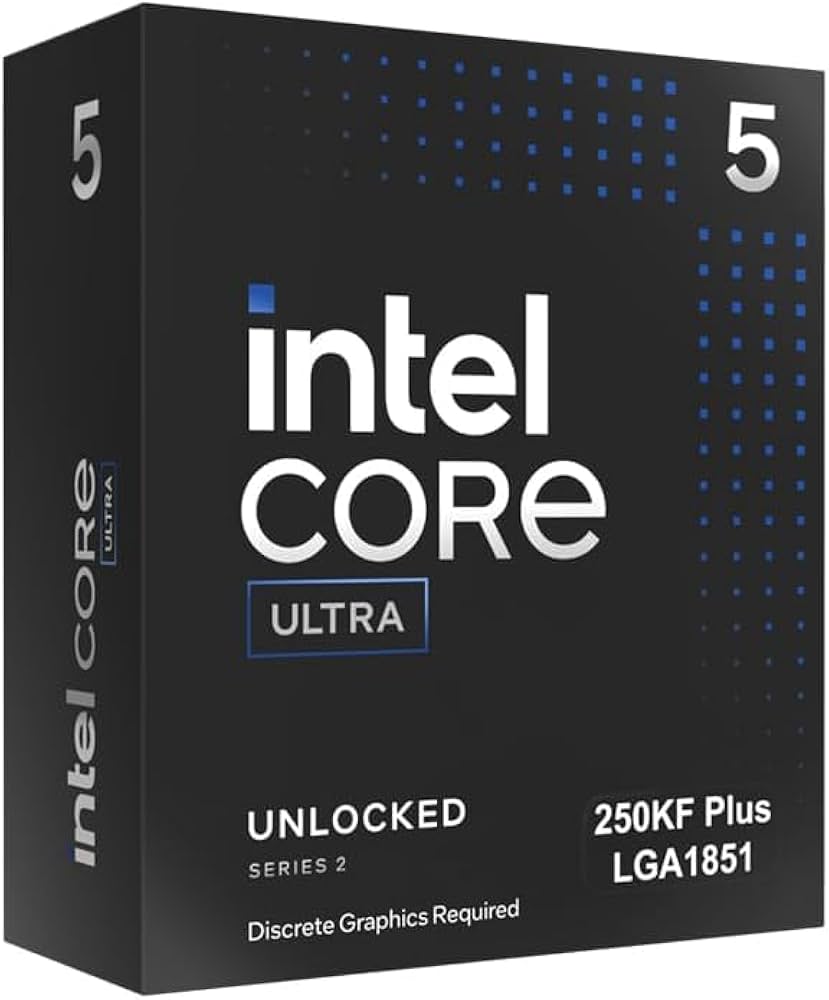
Here are the essential hardware and software components to consider for your Monad budget. These items focus on the core infrastructure needed to build, test, and secure your position on the network.


As an Amazon Associate, we may earn from qualifying purchases.
The Monad Foundation, led by Co-Founder Keone Hon, has designed the network to scale beyond current limits. However, the "budget" for running on Monad isn't just about buying parts; it's about allocating resources for the increased computational load. Ensure your budget accounts for not just the initial hardware purchase, but the ongoing electricity and cooling costs associated with high-performance node operation.
Shortlist real options
Monad positions itself as the most performant EVM-compatible blockchain, aiming to solve the scalability bottlenecks that have long plagued Ethereum. With claims of 10,000 TPS and sub-second finality, it targets developers who need high throughput without abandoning the Solidity ecosystem. However, "high performance" is a broad category. To determine if Monad is the right choice for your 2026 roadmap, you need to compare its core architectural advantages against the specific needs of your application.
The following comparison breaks down the key differentiators that matter most for builders: execution speed, compatibility, and the underlying trust model. Use this table to see where Monad stands out and where you might still consider established Layer 2s or alternative high-performance chains.
| Feature | Monad | Major ETH L2s | Alt High-Perf L1s |
|---|---|---|---|
| Execution Model | Parallel EVM Execution | Sequential Rollups | Native Parallel VMs |
| Target TPS | 10,000+ | 4,000–10,000 (shared) | 10,000–65,000 |
| Finality Time | ~0.8 seconds | 1–10 minutes (L1 settlement) | Seconds to minutes |
| Developer Stack | Solidity/Rust (EVM-compatible) | Solidity (EVM-compatible) | Rust/Solana/CosmWasm |
| Security Model | Independent Validator Set | Secured by Ethereum | Native Consensus |
Why the execution model matters
The biggest technical leap Monad offers is parallel execution within the EVM. Traditional Ethereum Layer 2s process transactions sequentially, meaning they are limited by the speed of the slowest transaction in a block. Monad’s parallel processing allows it to execute independent transactions simultaneously, similar to how multi-core CPUs work. For developers building high-frequency trading bots, real-time gaming, or complex DeFi aggregators, this reduces latency significantly compared to waiting for sequential block confirmation.
Compatibility vs. Native Performance
If your team is already proficient in Solidity, Monad’s EVM compatibility is a major advantage. You can deploy existing contracts with minimal changes, unlike alt-L1s that require rewriting code in Rust or Move. However, this compatibility comes with trade-offs. Monad is an independent Layer 1, meaning it does not inherit Ethereum’s security directly. You must trust Monad’s validator set, whereas Ethereum L2s benefit from Ethereum’s decentralized security layer. Choose Monad if you prioritize raw speed and developer familiarity over the maximum security guarantee of Ethereum’s settlement layer.
Inspect the expensive parts
Monad’s 10,000 TPS promise sounds like a developer’s dream, but high-throughput networks often hide structural risks that only surface under load. Before committing capital or code, treat the architecture like a stress test rather than a brochure. You need to verify where the bottlenecks actually live, because the difference between a smooth transaction and a failed one usually comes down to three expensive failure points: block space availability, validator centralization, and bridge security.
High performance means nothing if gas fees spike during congestion. Check if Monad’s fee market behaves like Ethereum’s (volatile) or if it uses a fixed-fee model. Fixed fees are cheaper for users but can lead to network spam. Look for historical data on gas prices during peak traffic to see if your application remains viable when demand surges.
With 0.8s finality, the network relies on a tight consensus loop. If a small group of validators controls most of the stake, the chain becomes vulnerable to collusion or censorship. Review the top 10 validators’ stake percentage. A decentralized validator set is the only way to ensure the network remains resistant to external pressure.
Monad is an EVM-compatible chain, meaning most value arrives via bridges. Bridges are the most common attack vector in crypto. Do not assume the bridge is secure just because the mainnet is fast. Check if the bridge uses a multi-sig, threshold signature scheme (TSS), or a trusted third party. The security of your assets is only as strong as the weakest bridge link.


As an Amazon Associate, we may earn from qualifying purchases.
The fastest chain is only useful if it stays online and secure. By focusing on these three areas, you can separate marketing hype from technical reality. If the validator set is concentrated or the bridge is unproven, the speed advantage is irrelevant.
Plan for ownership costs
A high-performance blockchain like Monad looks attractive on paper, but the real test is what it costs to keep running. For developers, ownership isn't just the initial deployment fee; it's the ongoing expense of infrastructure, maintenance, and gas. When transaction volume spikes, these costs can scale faster than your user base.
Infrastructure and Gas Reality
Monad offers 10,000 TPS and 0.4s block times, which lowers gas fees per transaction compared to congested Ethereum L1s. However, high throughput attracts high activity. If your dApp becomes popular, your node infrastructure costs will rise. You need robust validators or reliable RPC providers. Relying on free public nodes is risky for production apps due to rate limits and downtime.
Maintenance Surprises
Smart contract audits are non-negotiable. A single bug can drain funds or halt the protocol. Budget for multiple audit rounds and bug bounties. Also, consider the cost of upgrading your contracts if Monad's core protocol evolves. Migration costs can be significant if you haven't designed for modularity.
When Cheap Stops Being Cheap
A low entry cost is a trap if maintenance is high. Compare the total cost of ownership (TCO) over 12 months. Include gas fees, node hosting, security audits, and developer time. If Monad's gas is low but your infrastructure costs are high, it might not be the cheapest option long-term.


As an Amazon Associate, we may earn from qualifying purchases.
Monad blockchain: what to check next
Before committing to Monad as your primary development layer, it helps to understand who is building the infrastructure and what the current limitations are. The following answers address the most common practical objections developers raise during technical evaluations.
No comments yet. Be the first to share your thoughts!