
Monad blockchain 2026 limits to account for
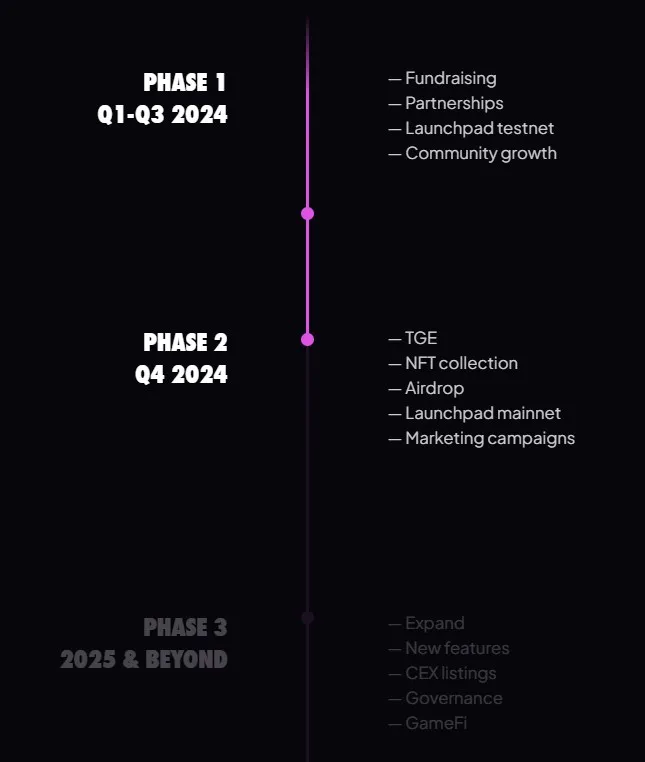
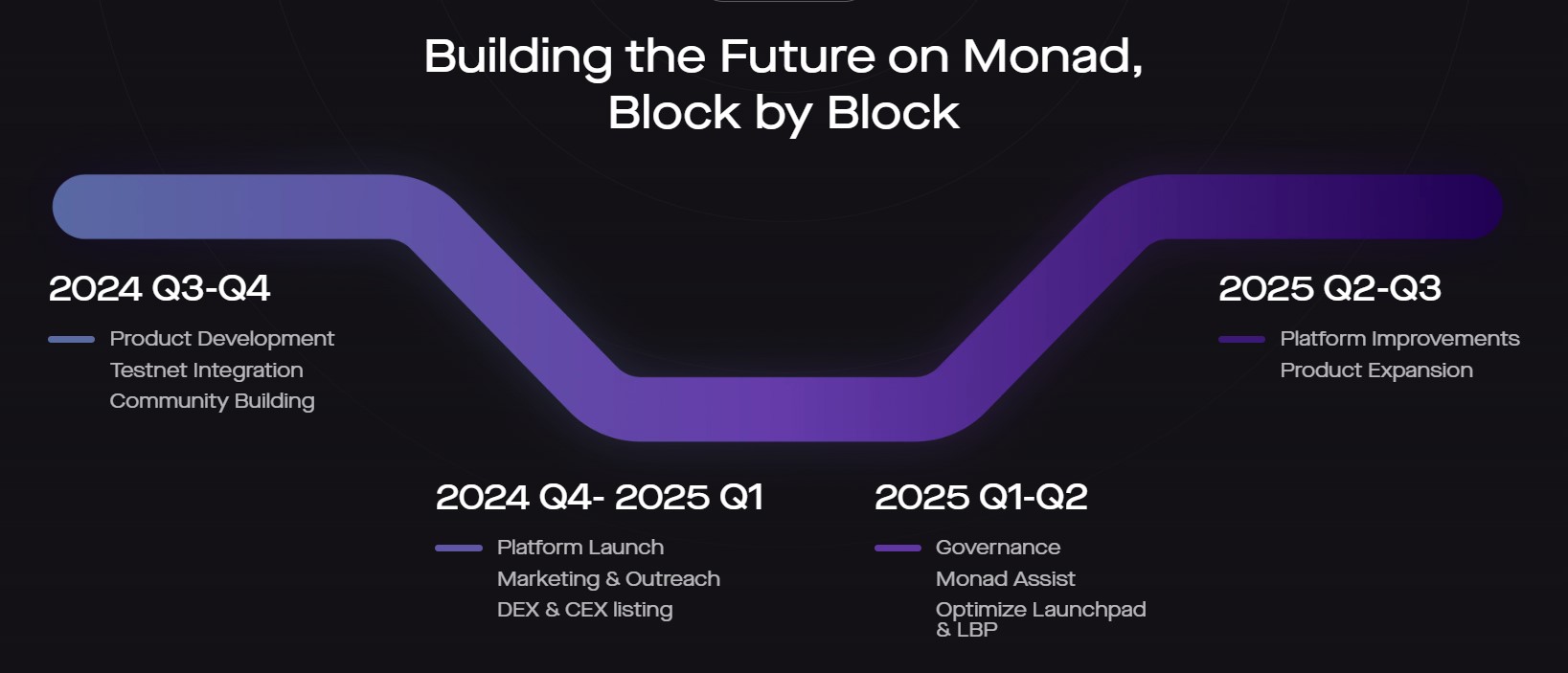
Use this section to make the Monad's Roadmap decision easier to compare in real life, not just on paper. Start with the reader's actual constraint, then separate must-have requirements from details that are merely nice to have. A practical choice should survive normal use, maintenance, timing, and budget. If a recommendation only works in an ideal situation, call that out plainly and give the reader a fallback path.
The simplest way to use this section is to write down the must-have criteria first, then compare each option against those criteria before weighing nice-to-have features.
Monad blockchain 2026 choices that change the plan
Use this section to make the Monad's Roadmap decision easier to compare in real life, not just on paper. Start with the reader's actual constraint, then separate must-have requirements from details that are merely nice to have. A practical choice should survive normal use, maintenance, timing, and budget. If a recommendation only works in an ideal situation, call that out plainly and give the reader a fallback path.
| Factor | What to check | Why it matters |
|---|---|---|
| Fit | Match the option to the primary use case. | A good deal still fails if it does not fit the job. |
| Condition | Verify age, wear, and service history. | Hidden condition issues erase upfront savings. |
| Cost | Compare purchase price with likely upkeep. | The cheapest option is not always the lowest-cost option. |
Choose the next step
Monad's Roadmap works best as a clear sequence: define the constraint, compare the realistic options, test the tradeoff, and choose the path with the fewest hidden costs. That order keeps the advice usable instead of decorative. After each step, pause long enough to check whether the recommendation still fits the reader's actual situation. If it depends on perfect timing, unusual access, or a best-case budget, include a simpler fallback.
Avoid the Weak Options
When evaluating Monad’s 2026 roadmap, the most common mistake is treating it as a generic high-performance chain. The real risk lies in comparing its raw throughput metrics against Layer 2 solutions that already have mainnet deployment. Monad’s 10,000 TPS and 0.8s finality are impressive on paper, but they rely on a parallelized EVM architecture that is still in active development. Investors often overlook that performance gains are meaningless without a robust ecosystem of dApps ready to leverage them.
Many projects hype "EVM compatibility" as a silver bullet for developer adoption. This is misleading. While Monad is EVM-compatible, its parallel execution model requires significant code refactoring for existing smart contracts. Developers cannot simply copy-paste Solidity code from Ethereum Mainnet and expect it to run efficiently. If you are building for Monad, you must account for the technical debt of adapting to a new execution environment. The roadmap promises tools to ease this transition, but the learning curve remains steep.
Another trap is focusing solely on price predictions without considering network effects. Analysts targeting $0.13–$0.15 assume institutional participation will drive demand. However, without a critical mass of users and developers, these targets are speculative. The $0.10 level acts as a psychological checkpoint, but breaking through requires tangible utility, not just marketing. Be wary of any analysis that ignores the gap between technical potential and actual user engagement.
Monad blockchain 2026: what to check next
Will Monad crypto reach $1?
Reaching a $1 price point is unlikely in the near term. Current analyst targets for 2026 place the token in the $0.13–$0.15 range, contingent on sustained institutional participation and ecosystem maturity. The $0.10 mark is viewed as a significant psychological checkpoint. A conservative scenario suggests a reclaim of the $0.05–$0.08 range if post-airdrop supply absorption stabilizes.
Is Monad a good investment in 2026?
Monad addresses previous technical risks with its high-throughput EVM-compatible architecture, boasting 10,000 TPS and 0.8-second finality. The network has seen strong Total Value Locked (TVL) growth and active institutional capital. However, investors must weigh these technical advantages against the volatility inherent in Layer 1 tokens and the dilution effects of ongoing token distributions.
How does Monad handle scalability?
Monad uses parallel execution to process transactions simultaneously rather than sequentially. This design allows for 0.4-second block times and significantly reduces latency for DeFi and gaming applications. The infrastructure is built to support high-frequency trading and complex on-chain games that standard EVM chains often struggle to handle efficiently.
What is the current Monad price?
As of June 2026, Monad (MON) is trading around $0.02 with a market capitalization near $224 million. Price movements are closely tied to broader crypto market trends and specific ecosystem developments, such as the recent MIP-12 governance proposals. Traders should monitor live charts for real-time fluctuations.
Helpful gear
Use these product recommendations as a starting point, then choose the size, material, and price point that fit how you actually use the gear.


As an Amazon Associate, we may earn from qualifying purchases.
No comments yet. Be the first to share your thoughts!