
Monad blockchain limits to account for
Monad’s parallel execution architecture promises 10,000 TPS, but real-world utility depends on ecosystem maturity, not just theoretical throughput. When evaluating Monad, distinguish between must-have infrastructure requirements and speculative hype. A practical assessment should account for liquidity depth, developer activity, and user experience before considering it a viable investment or development platform.
Monad blockchain choices that change the plan
To navigate Monad’s ecosystem effectively, focus on three practical checks that separate sustainable growth from speculative noise. These criteria help determine if the network’s technical advantages translate into actual value for users and builders.
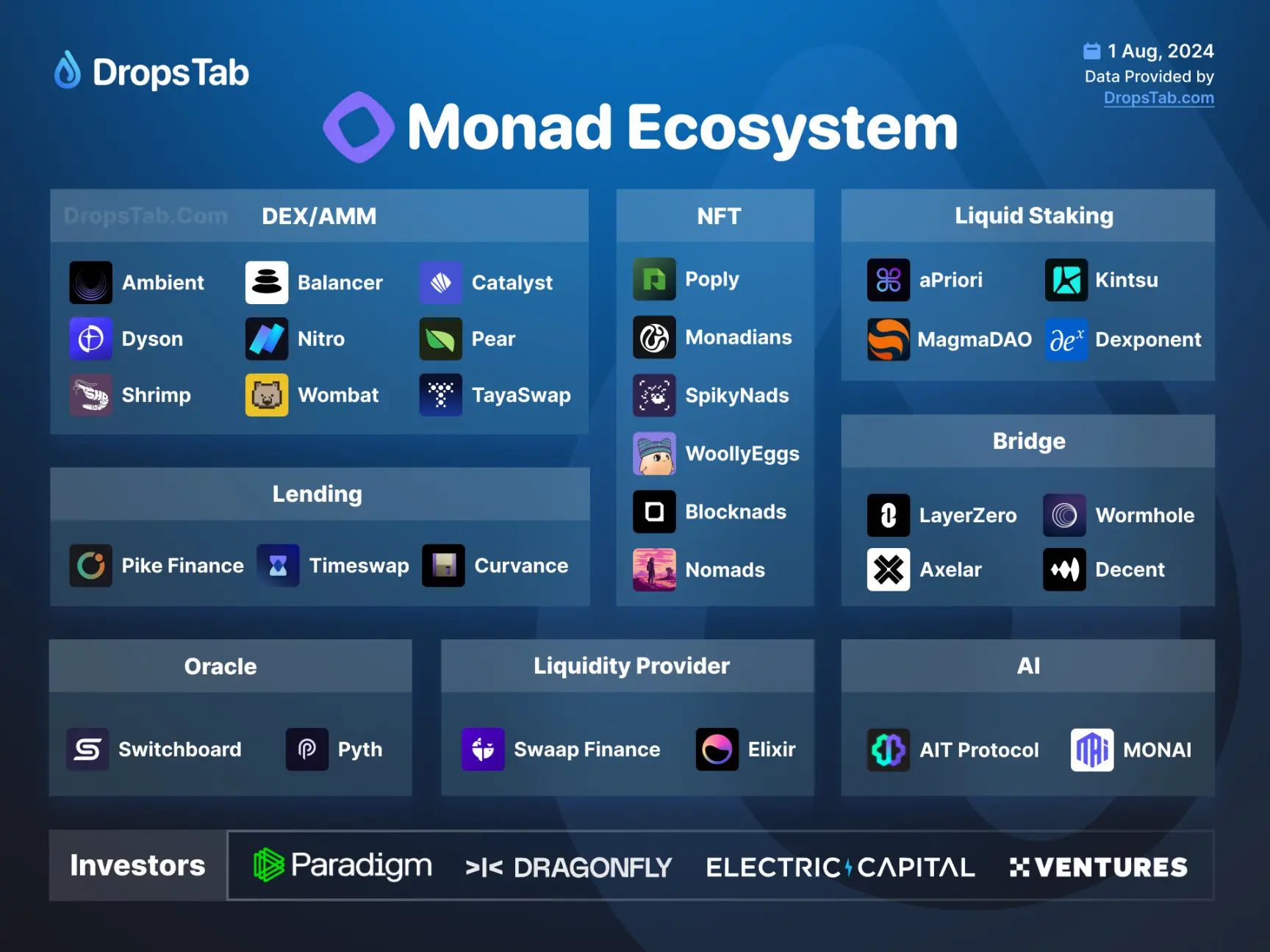
High TPS means nothing without deep order books. Look for DEXs like MonadSwap or integrated aggregators showing consistent volume across major pairs. Shallow liquidity leads to slippage that negates speed advantages for traders.
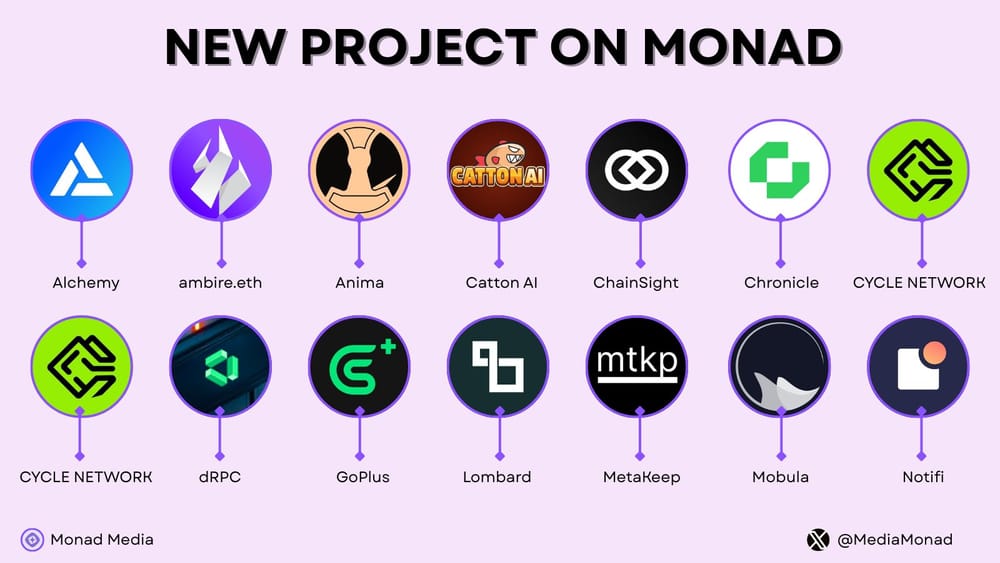
Check GitHub commits and testnet participation. A thriving ecosystem requires builders deploying real contracts, not just marketing decks. Look for active Discord channels and technical documentation that supports complex DeFi logic.
Speed is useless if the interface is clunky. Use testnet faucets to swap tokens and mint NFTs. Note transaction confirmation times and gas fee consistency. A smooth UX signals that the team is prioritizing real-world usability over theoretical benchmarks.
Avoiding Misleading Claims in Monad Analysis
Investors often encounter inflated narratives surrounding Monad’s parallel execution capabilities. While the protocol promises 10,000 TPS and sub-second finality, these figures represent theoretical maximums under ideal conditions, not guaranteed throughput for every decentralized application. Relying on peak performance metrics as a baseline for investment decisions ignores the reality of network congestion and validator distribution.
Be wary of price predictions that ignore tokenomics. Many speculative forecasts fail to account for the significant vesting schedules for early investors and team members. Without understanding the circulating supply dynamics, any claim about Monad’s future valuation is essentially guesswork. Always cross-reference price targets with official token emission schedules rather than social media hype.
The most common mistake is treating Monad’s EVM compatibility as a simple drop-in replacement for Ethereum. While the interface is familiar, the underlying parallel execution model changes how smart contracts interact with state. Developers must audit their code for race conditions that were previously impossible in sequential EVM chains. Ignoring this technical shift can lead to flawed assumptions about security and reliability.
Monad blockchain: what to check next
Before committing capital to Monad, it helps to separate the technical promise from market reality. The following answers address the most common questions from traders and developers watching this Layer 1 space.
For real-time valuation, check the
widget above. Always verify current prices on official exchanges before trading.
No comments yet. Be the first to share your thoughts!