
Monad blockchain 2026 limits to account for
The core tension in the Monad ecosystem right now is simple: the technology has outpaced the market. Monad operates as a high-performance Layer 1 with 10,000 TPS, 0.6s finality, and 0.3s block times, yet the token price sits near $0.021, roughly 57% below its November 2025 all-time high of $0.04883. This gap between technical capability and market valuation is the defining constraint of Monad in 2026.
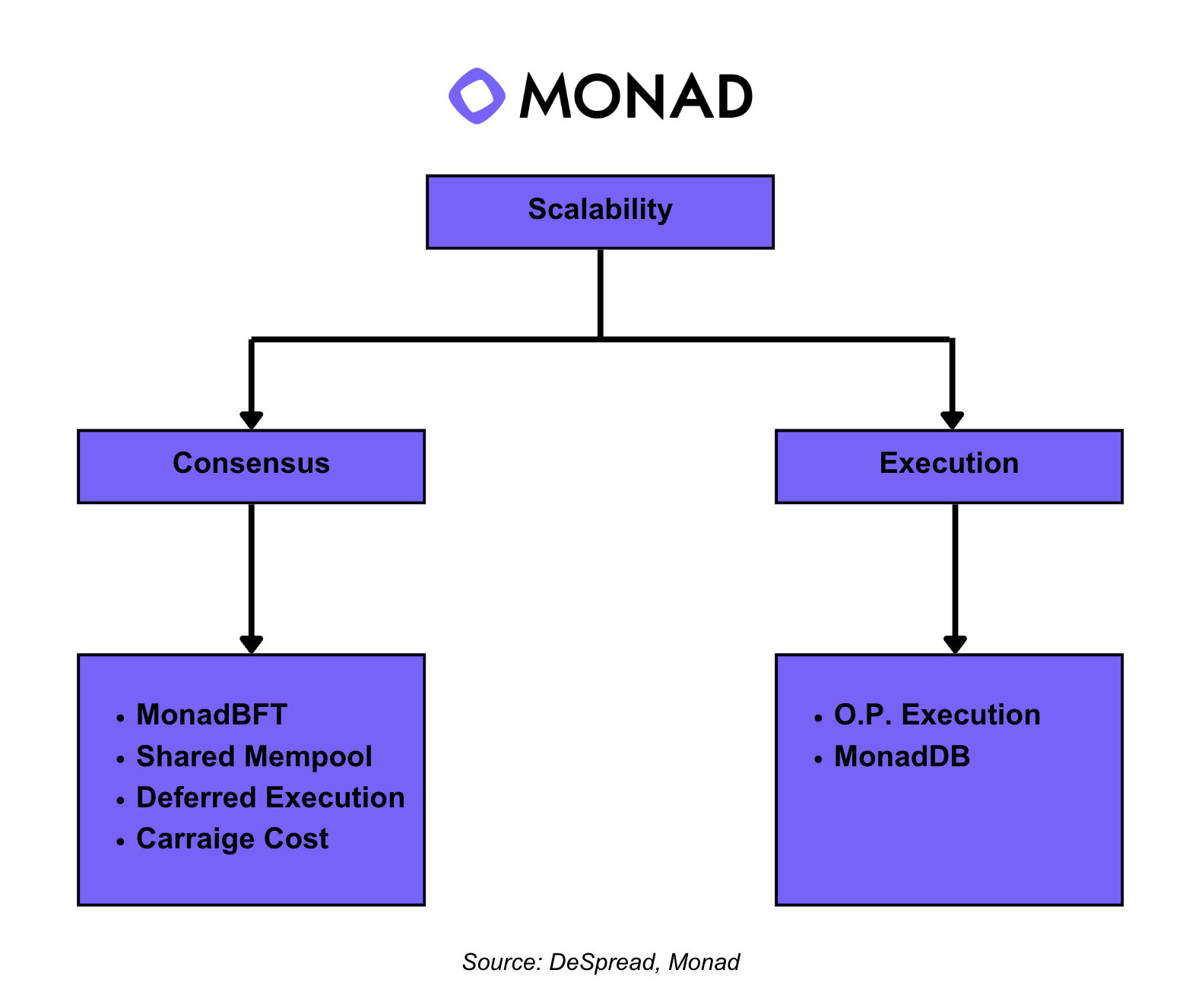
While the infrastructure supports parallel execution to solve EVM throughput limits, the network must prove it can sustain user activity and liquidity against established competitors. The long-term viability of MON depends on whether this raw speed translates into real application demand that absorbs the increasing token supply from unlocks and staking. Until network usage metrics align with the technical promises, the price remains suppressed.
The current price action reflects a market waiting for proof of product-market fit. Investors are watching to see if the parallel execution capabilities can finally drive the kind of volume that justifies the valuation. For now, Monad remains a high-potential project constrained by the broader crypto cycle and the need to demonstrate sustained utility beyond its whitepaper.
Monad blockchain 2026 choices that change the plan
Monad’s parallel execution promises 10,000 TPS and 0.6-second finality, but high performance introduces distinct risks for developers and capital allocators. Evaluating Monad in 2026 requires moving beyond speed metrics to examine liquidity depth, tokenomics, and technical stability.
The following comparison highlights the core tradeoffs between Monad’s high-throughput model and established Layer 1 networks. These factors determine whether Monad’s infrastructure can sustain real demand beyond the initial launch phase.
| Factor | Monad (2026) | Established EVM L1 | Risk |
|---|---|---|---|
| Execution Model | Parallel EVM (high throughput, complex debugging) | Sequential EVM (proven, lower throughput) | High |
| Finality Speed | ~0.6 seconds | 3-12 minutes | Low |
| Token Unlock Pressure | Significant unlocks begin Nov 2026 | Mature, low inflation | High |
| Liquidity Depth | Early-stage, fragmented | Deep, institutional | Medium |
| Developer Tooling | New, evolving | Standardized, mature | Medium |
The table above illustrates the central tension: Monad offers speed but demands tolerance for early-stage volatility. The parallel execution model reduces latency but increases the complexity of state management and debugging for developers. Meanwhile, the November 2026 token unlocks introduce substantial sell pressure that could depress price action regardless of network activity.
Liquidity fragmentation remains a critical hurdle. While Monad’s speed attracts attention, capital often flows to networks with deeper order books and established institutional presence. Traders must weigh the benefit of faster settlement against the risk of wider spreads and slippage during periods of low volume.
The chart above shows MON’s recent price action relative to its all-time high. The 57% decline from November 2025 highlights the market’s skepticism about immediate utility. For investors, the key question is whether network growth will outpace the inflation from upcoming token unlocks. If activity does not scale rapidly, the current valuation may struggle to hold.
Ultimately, Monad’s tradeoffs favor those who prioritize raw performance and are willing to accept higher technical and financial risk. For conservative capital, established EVMs offer stability. For speculative growth, Monad’s 2026 trajectory depends entirely on whether developers can build applications that justify the infrastructure’s complexity.
How to evaluate Monad for your portfolio
Monad’s parallel execution promises 10,000 TPS and 0.3s block times, but the token is currently trading near $0.021, roughly 57% below its November 2025 high. Deciding whether to allocate capital requires moving past hype and examining on-chain utility against tokenomics.
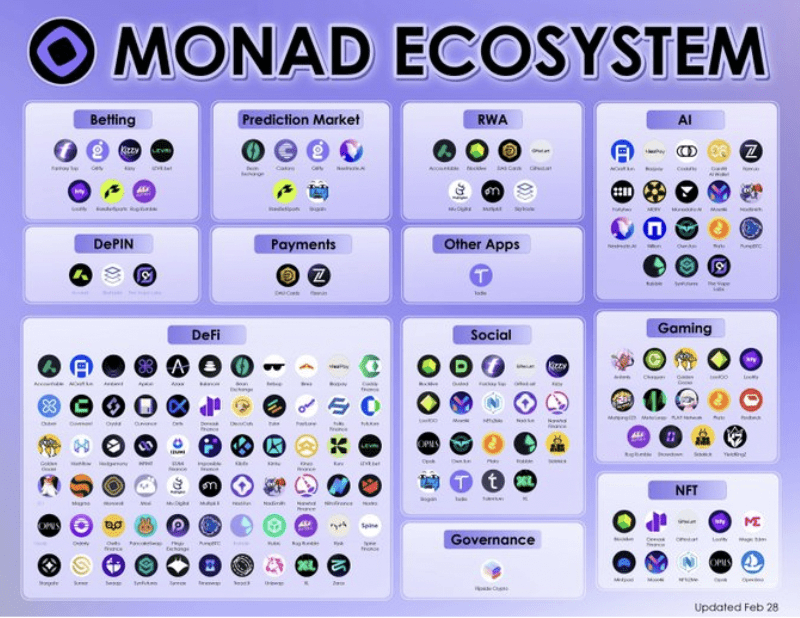
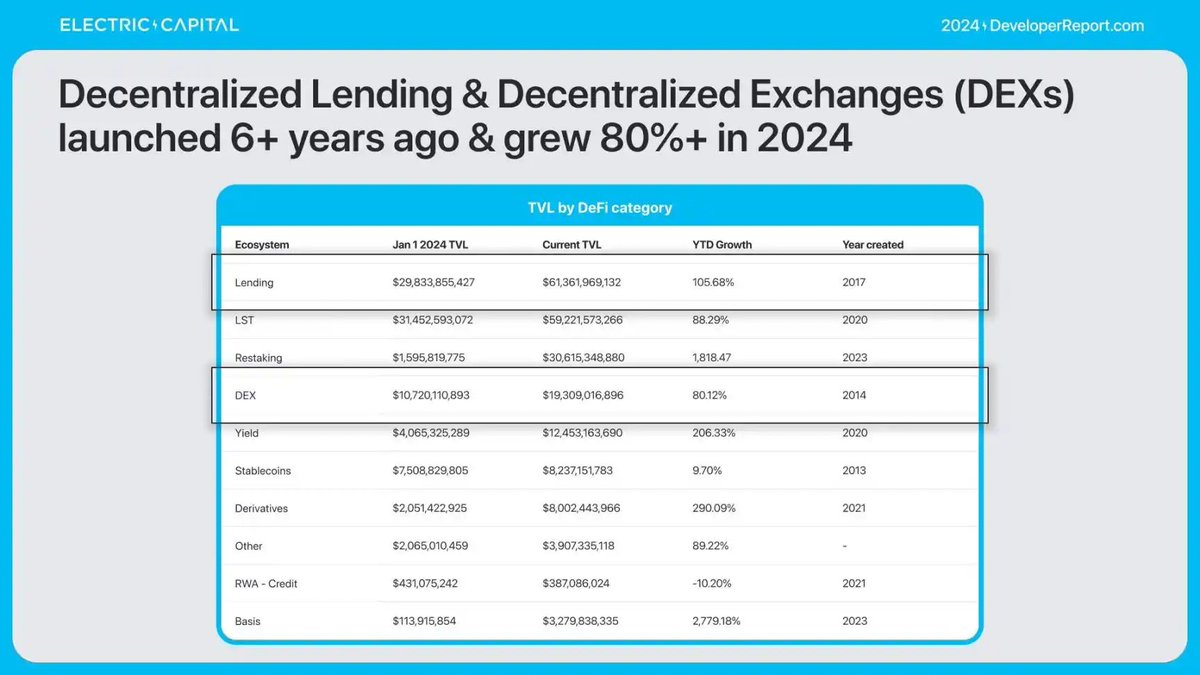
Do not rely on total value locked (TVL) alone, which can be inflated by uncorrelated liquidity. Look for active daily users and transaction volume across at least three distinct sectors—DeFi lending, gaming, and NFTs. High usage across diverse categories indicates genuine network demand rather than speculative farming.
Monad’s long-term viability depends on whether network activity creates sustained demand for MON as supply increases. Check the vesting schedule for team and investor unlocks. If significant token releases coincide with periods of low user growth, the price will likely face downward pressure from selling.
Parallel execution reduces congestion, but you must verify if fees are actually lower than competitors like Solana or Ethereum L2s during peak times. Monitor gas prices during high-traffic events. If fees spike unpredictably, the "high performance" claim fails the practical test for gaming and high-frequency DeFi applications.
Look for official integrations with established protocols or payment processors. These partnerships often signal long-term commitment and provide a buffer against market volatility. Avoid projects that rely solely on community-driven liquidity or short-term incentive programs.
Given the high volatility and the token’s current drawdown, define your entry and exit points before buying. Consider using dollar-cost averaging to mitigate timing risk. Never allocate more than you can afford to lose, as high-performance L1s often face intense competition and technical hurdles.
Spotting Weak Monad Options
Many guides claim Monad’s 10,000 TPS and 0.6s finality guarantee profitability for early adopters. These figures are technical maximums, not real-world yields. Treating network benchmarks as guaranteed returns is a common mistake that leads to poor timing.
Check the actual transaction volume against the claimed capacity. If the network is only processing 10% of its theoretical limit, the "high performance" narrative is inflated. Look for active daily users, not just total transactions, to gauge real demand.
Verify token unlock schedules before buying. Large vesting events can dilute value regardless of technical upgrades. Compare Monad’s current price to its all-time high to understand the discount. A 57% drop from peaks like $0.04883 signals significant market correction, not necessarily a buying opportunity.
Proof Checks for 2030 Predictions
Long-term price predictions for 2030 are often speculative. Focus on verifiable metrics instead. Monitor on-chain activity and developer growth. If these metrics stagnate, the "massive comeback" narrative may fail. Use the chart below to track MON’s current market position.
Monad blockchain 2026: what to check next
Before committing capital or building on Monad, it helps to separate technical potential from market mechanics. The network’s parallel execution engine offers speed, but tokenomics and competition will dictate whether that speed translates into sustained value. Below are the most common practical questions regarding Monad’s trajectory and investment profile.
The 2026 landscape will likely be defined by how well Monad balances its technical promises with economic reality. Early months may lack explosive growth, but the network’s ability to retain liquidity post-unlock will be the true test of its long-term viability.
No comments yet. Be the first to share your thoughts!