
Monad blockchain 2026 limits to account for
Use this section to make the Monad's Ecosystem decision easier to compare in real life, not just on paper. Start with the reader's actual constraint, then separate must-have requirements from details that are merely nice to have. A practical choice should survive normal use, maintenance, timing, and budget. If a recommendation only works in an ideal situation, call that out plainly and give the reader a fallback path.
The simplest way to use this section is to write down the must-have criteria first, then compare each option against those criteria before weighing nice-to-have features.
Monad blockchain 2026 choices that change the plan
Evaluating Monad for high-throughput DeFi requires looking past the headline numbers. While the official specs promise 10,000 TPS and 0.6-second finality, the real test lies in how the network handles sustained load and tokenomics. Developers must weigh raw speed against the risks of early-stage network stress and upcoming supply changes.
The table below compares Monad’s core technical advantages against the primary operational risks developers face in 2026.
| Factor | Advantage | Tradeoff |
|---|---|---|
| Throughput | 10,000 TPS with 0.3s block times enables complex DeFi logic without layer-2 abstraction. | High throughput increases validator hardware requirements, potentially centralizing the network. |
| Finality | 0.6-second finality reduces front-running risk and improves user experience for trading. | Shorter finality windows can be more vulnerable to reorgs during extreme network congestion. |
| EVM Compatibility | Drop-in compatibility allows existing Ethereum smart contracts to deploy without rewriting. | Shared EVM vulnerabilities mean Monad inherits common exploit vectors if not audited rigorously. |
| Tokenomics | Strong institutional backing provides liquidity and development funding. | 2 billion MON tokens unlock in November 2026, creating significant sell-side pressure. |
The upcoming November 2026 token unlock is the most critical near-term variable. With 2 billion MON tokens entering circulation, the network must generate sufficient real-world demand to absorb this supply without crashing the price. Analysts estimate MON could trade between $0.0239 and $0.0448 in 2026, depending on how well the ecosystem absorbs this inflation.
For developers, the decision hinges on whether the performance gain justifies the risk of building on a network facing major supply shocks. If your application requires low-latency transactions, Monad’s architecture is compelling. However, you must factor in the potential for volatility during the unlock period and ensure your smart contracts are hardened against the specific consensus mechanics of Monad’s parallelized EVM.
Choose the next step
Monad's Ecosystem works best as a clear sequence: define the constraint, compare the realistic options, test the tradeoff, and choose the path with the fewest hidden costs. That order keeps the advice usable instead of decorative. After each step, pause long enough to check whether the recommendation still fits the reader's actual situation. If it depends on perfect timing, unusual access, or a best-case budget, include a simpler fallback.
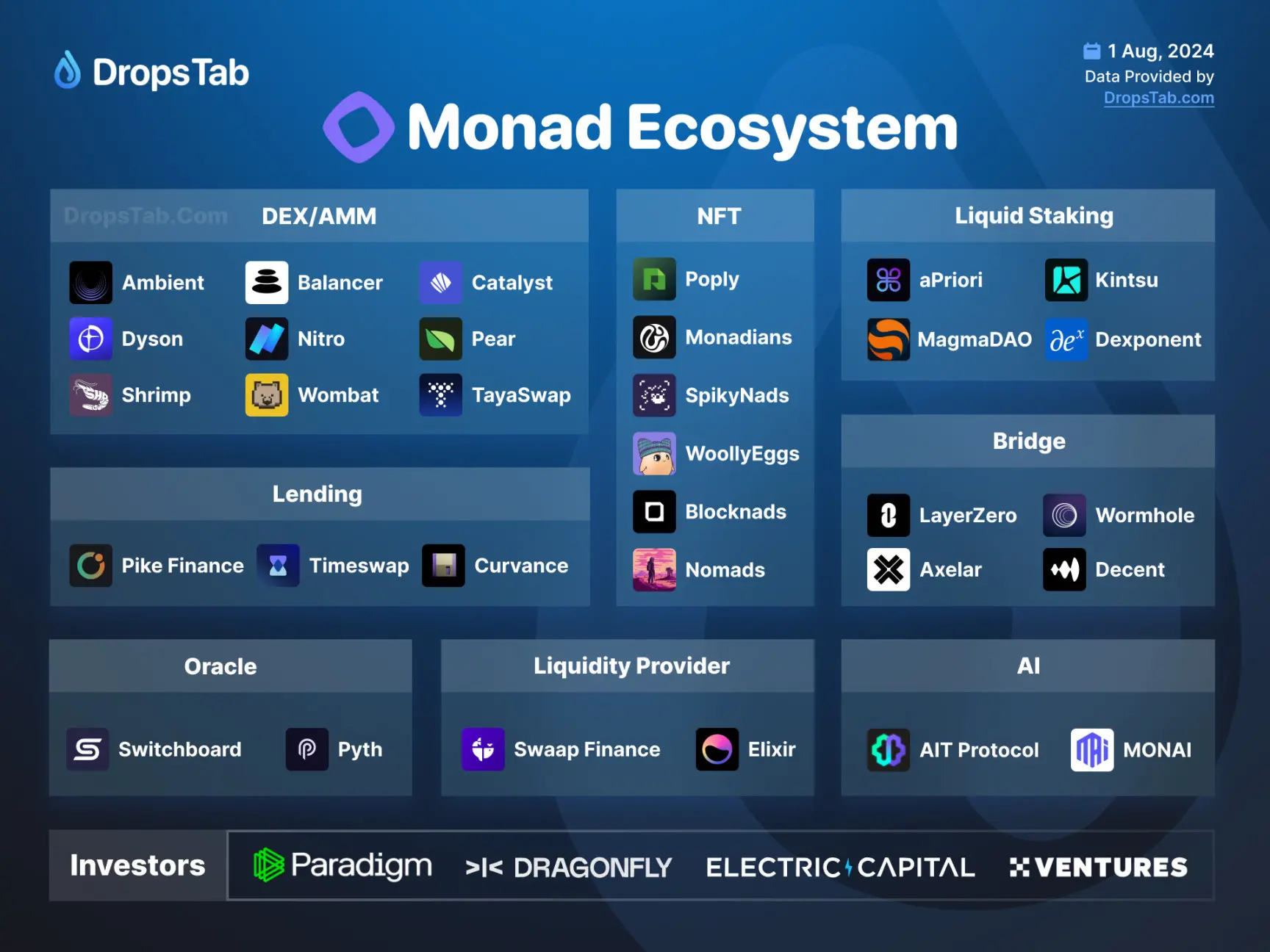
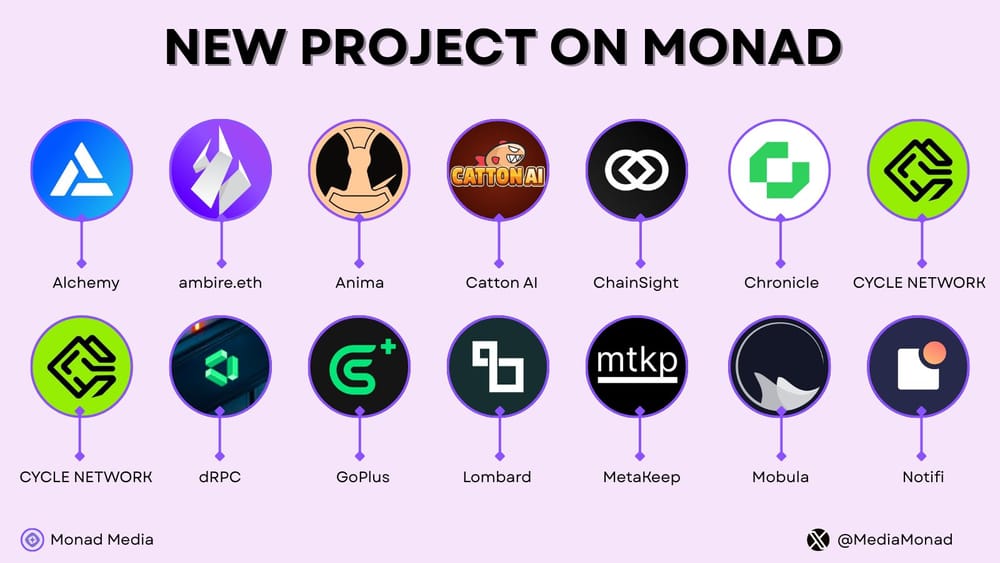
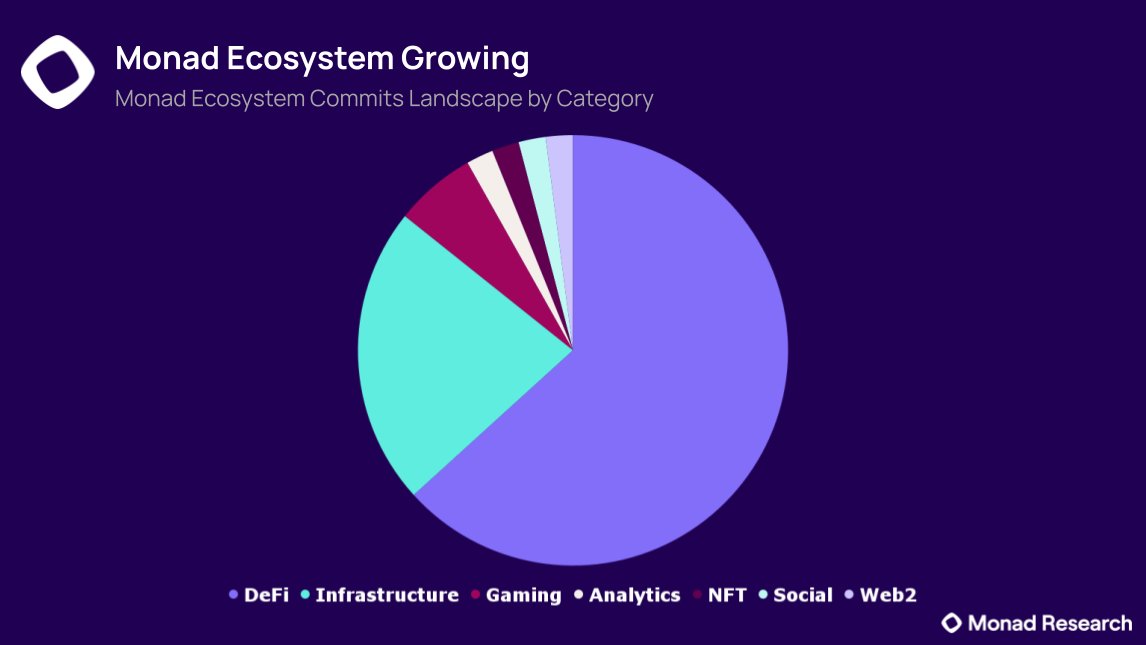
Avoid the weak options
Use this section to make the Monad's Ecosystem decision easier to compare in real life, not just on paper. Start with the reader's actual constraint, then separate must-have requirements from details that are merely nice to have. A practical choice should survive normal use, maintenance, timing, and budget. If a recommendation only works in an ideal situation, call that out plainly and give the reader a fallback path.
The simplest way to use this section is to write down the must-have criteria first, then compare each option against those criteria before weighing nice-to-have features.
Monad blockchain 2026: what to check next
Before committing capital or deploying code, it helps to separate technical capability from market speculation. Monad’s 2026 outlook hinges on two distinct factors: its ability to capture DeFi volume through high-throughput EVM architecture, and the economic pressure from upcoming token unlocks.
Helpful gear
Use these product recommendations as a starting point, then choose the size, material, and price point that fit how you actually use the gear.


As an Amazon Associate, we may earn from qualifying purchases.
No comments yet. Be the first to share your thoughts!