
Monad blockchain 2026 limits to account for
Institutional capital flows into the Monad ecosystem hinge on a specific 2026 constraint: the gap between theoretical throughput and real-world settlement finality. Monad advertises 10,000 transactions per second (TPS) with 0.6-second finality and 0.3-second block times, positioning it as the most performant EVM-compatible chain. For high-frequency DeFi, where latency dictates profitability, this speed is the primary value proposition. However, the 2026 landscape introduces a critical trade-off. As network congestion rises, maintaining sub-second finality requires robust validator infrastructure that many institutional operators are still auditing. The constraint is not just technical; it is about whether the network can sustain these metrics during peak volatility without degrading into the delays typical of older L1s.
This performance claim directly influences price action and institutional adoption. MON is currently trading near $0.021, roughly 57% below its November 2025 all-time high of $0.04883. This dip reflects broader market caution, but the underlying tech remains a focal point for investors evaluating long-term viability. The 2026 constraint forces a choice: invest in the high-speed narrative or wait for proven stability at scale. Institutions are increasingly scrutinizing whether Monad’s speed translates to actual DeFi volume, not just testnet benchmarks. The following analysis breaks down how to evaluate this constraint against your portfolio risk.
Monad blockchain 2026 choices that change the plan
Use this section to make the Monad's Ecosystem decision easier to compare in real life, not just on paper. Start with the reader's actual constraint, then separate must-have requirements from details that are merely nice to have. A practical choice should survive normal use, maintenance, timing, and budget. If a recommendation only works in an ideal situation, call that out plainly and give the reader a fallback path.
| Factor | What to check | Why it matters |
|---|---|---|
| Fit | Match the option to the primary use case. | A good deal still fails if it does not fit the job. |
| Condition | Verify age, wear, and service history. | Hidden condition issues erase upfront savings. |
| Cost | Compare purchase price with likely upkeep. | The cheapest option is not always the lowest-cost option. |
How to evaluate Monad for institutional high-frequency DeFi
Institutional adoption of high-frequency DeFi requires a rigorous decision framework. Monad’s architecture—offering 10,000 TPS with 0.6-second finality—positions it as a potential infrastructure layer for latency-sensitive strategies. However, the gap between technical specs and live market performance remains the primary variable for investors.
Use this five-step process to assess whether Monad fits your portfolio or operational strategy in 2026. This guide focuses on technical verification, ecosystem depth, and risk mitigation rather than speculative price targets.
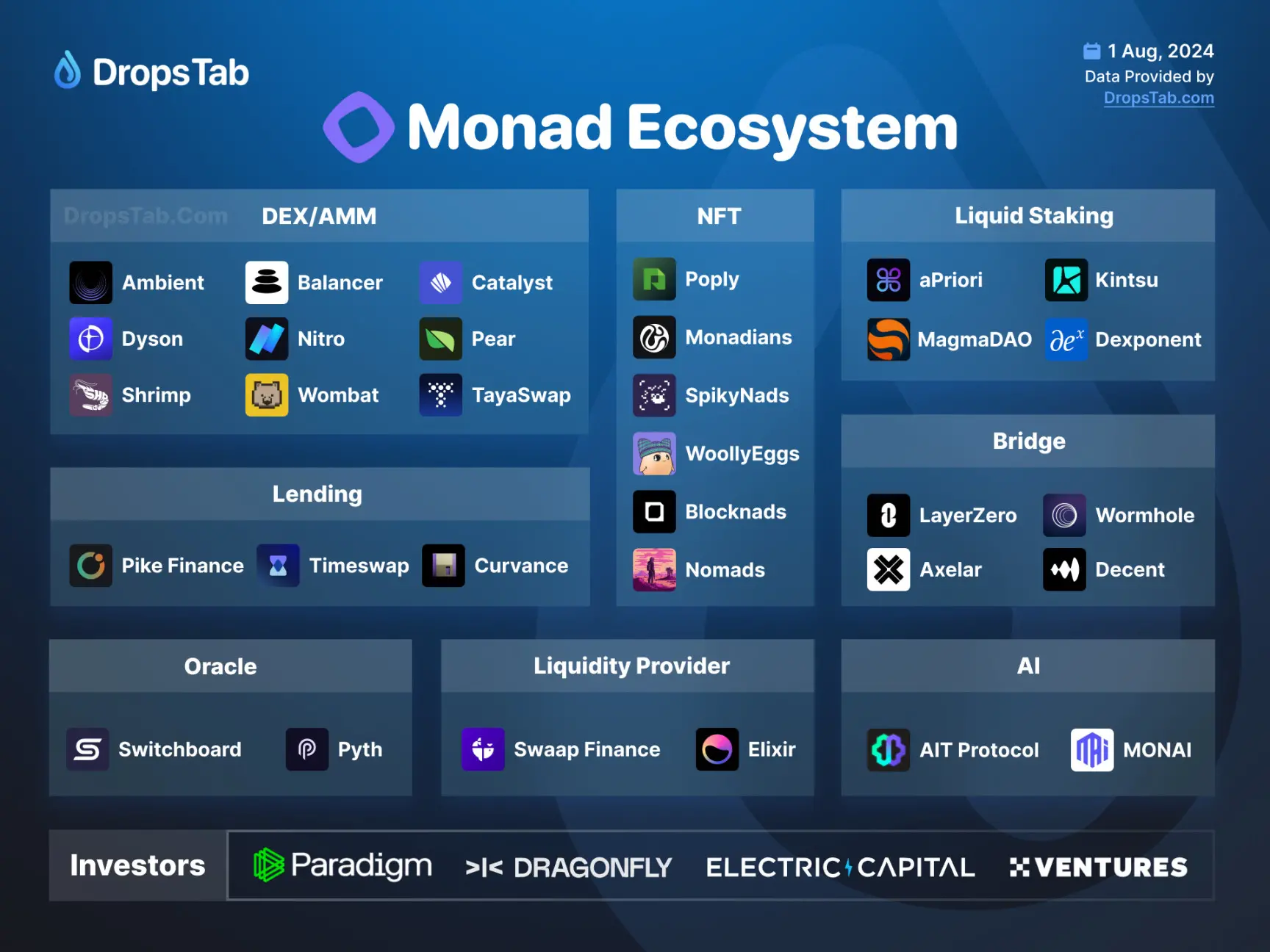
Do not rely on theoretical benchmarks. Access the Monad testnet or mainnet explorer to measure actual block times and transaction finality during peak load. Institutional traders need to confirm that the network maintains sub-second finality when congestion hits. If latency spikes above 1 second, the cost of front-running increases significantly.
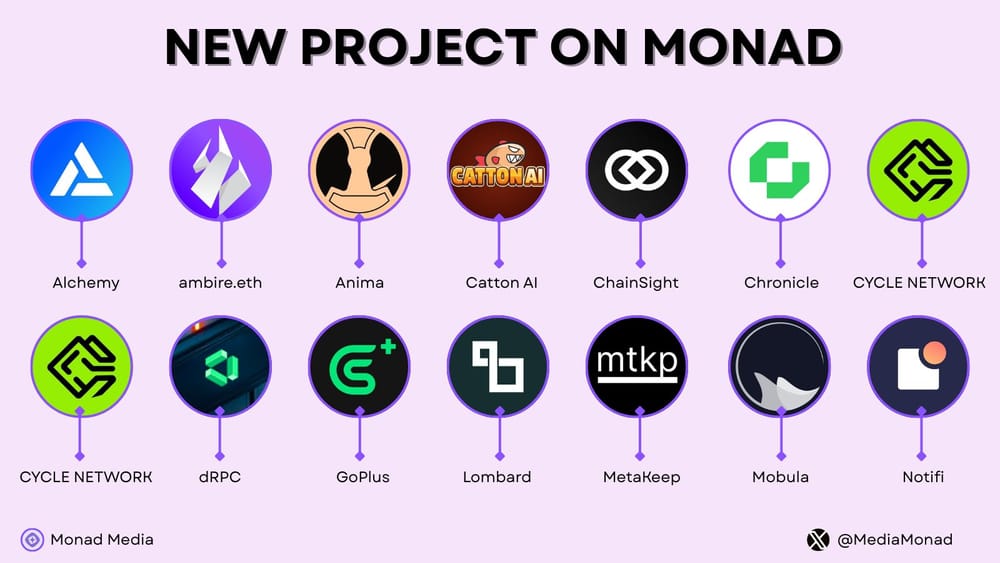
High-frequency trading fails without liquidity. Evaluate the top Monad-based decentralized exchanges for order book depth and slippage on large orders. Look for consistent volume across major pairs, not just inflated metrics from a single protocol. Thin liquidity can cause significant losses when exiting positions quickly.
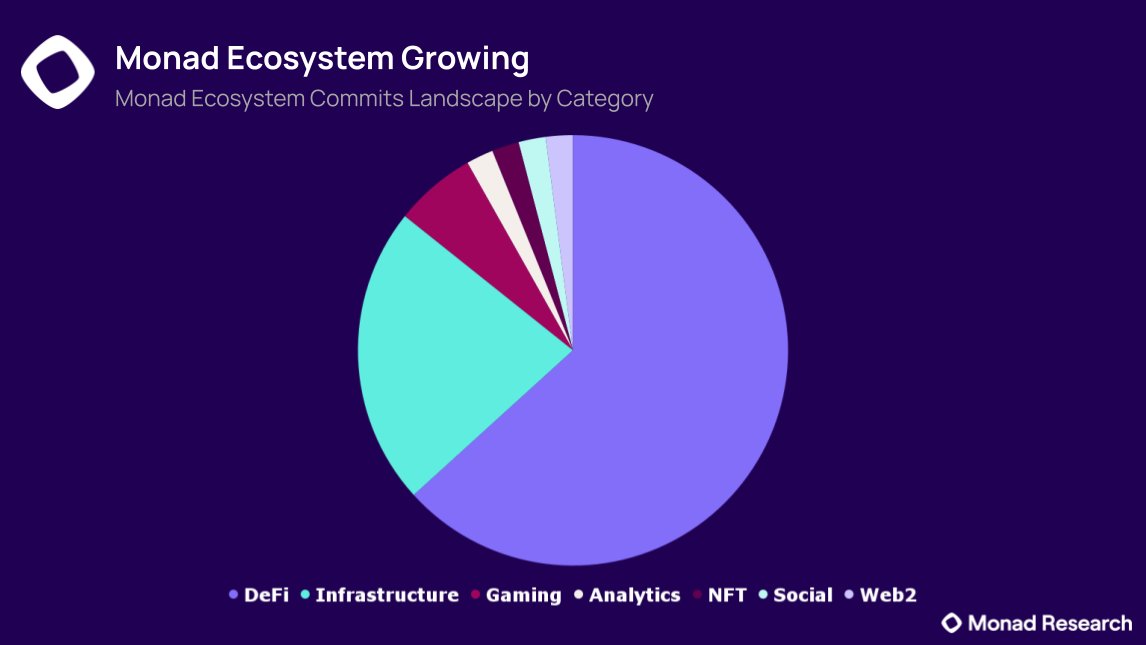
Check the validator distribution to ensure no single entity controls a majority of the consensus power. Institutional investors require a decentralized network to mitigate censorship risks. Verify that the validator set includes reputable, audited operators who follow standard security protocols.
Examine the security audits of the core protocols you intend to use. Monad’s speed is irrelevant if the smart contracts are vulnerable. Prioritize protocols with multiple independent audits and a history of bug bounty programs. Look for evidence of formal verification for critical financial logic.
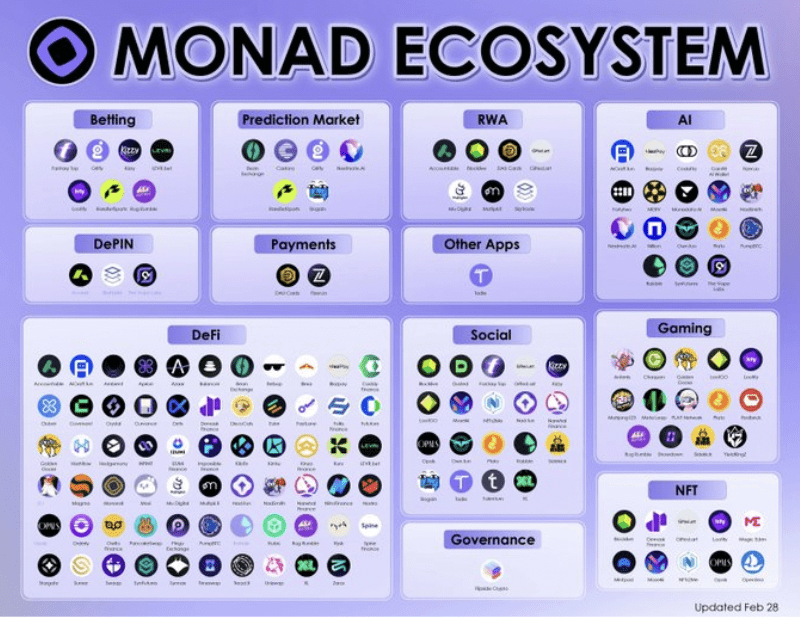
Beyond gas fees, consider the cost of infrastructure. High-frequency strategies require expensive infrastructure, including dedicated nodes and low-latency connections. Compare Monad’s transaction costs and infrastructure requirements against competitors like Solana or Ethereum L2s to determine the net profitability of your strategy.
Spot the Weak Options in Monad’s 2026 Pitch
Institutional investors are drawn to Monad’s promise of 10,000 TPS and sub-second finality, but high-frequency DeFi requires more than raw speed. The real risk lies in confusing marketing claims with operational reality. Before committing capital, you must separate the technical architecture from the speculative price narratives flooding social media.
Ignore the $100 Price Delusion
The most common mistake is treating price speculation as a fundamental metric. Queries for "will Monad reach $100" or "Monad 2030 worth" distract from actual utility. MON is currently trading near $0.021, far below its November 2025 high. No legitimate institutional thesis relies on a 4,700% increase to justify infrastructure investment. Focus on protocol revenue and active developer growth, not retail FOMO.
Verify the "EVM Compatibility" Claim
Many projects claim EVM compatibility, but Monad’s parallel execution engine requires specific tooling adjustments. Ensure your trading bots and smart contracts are tested against Monad’s specific bytecode requirements. Generic Ethereum tools often fail here. If the documentation doesn’t explicitly state how their parallelization handles EVM state transitions, treat it as a weak option.
Check Liquidity Depth, Not Just TPS
10,000 TPS means nothing if there is no liquidity to fill orders. Institutional HFT strategies depend on tight spreads and deep order books. Look for real-time depth charts on major DEXs. If the order book thins out significantly during peak volatility, the high TPS is irrelevant. You need a market that can absorb large trades without slippage.
The Proof Checklist
- Source Verification: Only trust claims backed by Monad’s official technical documentation or audited smart contracts.
- Data Freshness: Discard any price prediction older than 30 days. Crypto markets shift rapidly.
- Code Audit: Confirm that the specific DeFi protocol you are using has passed a security audit for Monad’s unique architecture.
Don’t let the hype of "the future of Monad" obscure the need for rigorous due diligence. The institutions winning in 2026 are those who verify the tech, not those who chase the price.
Monad blockchain 2026: what to check next
Institutional investors evaluating Monad for high-frequency DeFi need clarity on valuation, long-term viability, and realistic price targets. The following answers address the most common practical objections based on current market data and protocol upgrades.
No comments yet. Be the first to share your thoughts!