Monad parallel evm limits to account for
Use this section to make the Monad's Ecosystem decision easier to compare in real life, not just on paper. Start with the reader's actual constraint, then separate must-have requirements from details that are merely nice to have. A practical choice should survive normal use, maintenance, timing, and budget. If a recommendation only works in an ideal situation, call that out plainly and give the reader a fallback path.
The simplest way to use this section is to write down the must-have criteria first, then compare each option against those criteria before weighing nice-to-have features.
Monad parallel evm choices that change the plan
Monad’s parallel execution model offers extreme throughput but introduces specific architectural tradeoffs that developers and users should understand. Unlike traditional sequential EVM chains, Monad processes independent transactions simultaneously. This design choice significantly impacts how applications are built, how fees are managed, and how the network handles congestion.
Performance vs. Complexity
The primary advantage is speed. Monad targets 10,000 TPS with 0.4-second block times and 0.8-second finality. This is achieved through superscalar pipelining, which allows the network to process multiple stages of transaction execution in parallel. For high-frequency DeFi applications, this reduces latency and improves user experience. However, this performance comes at the cost of increased node complexity. Running a Monad node requires more computational resources than a standard Ethereum node, potentially centralizing the validator set over time.
Dependency Handling
Parallel execution only works for transactions with no common dependencies. If two transactions interact with the same contract or account, they must be processed sequentially. This means that during periods of high activity involving popular contracts (like meme coin launches or major NFT mints), Monad may still experience bottlenecks. The network’s throughput is highest when traffic is distributed across many different contracts. Applications that rely on heavy cross-contract interactions may not see the full benefit of parallelization.
EVM Compatibility and Tooling
Monad is 100% EVM-compatible, meaning existing Ethereum smart contracts and developer tools work without modification. This lowers the barrier to entry for developers migrating from Ethereum. However, the parallel execution layer adds a new dimension to gas estimation and transaction ordering. Developers must be careful about how they structure their contracts to maximize parallelism. Simple, independent transactions will execute faster, while complex, interdependent ones may serialize.
Comparison: Monad vs. Sequential EVM Chains
| Feature | Monad (Parallel EVM) | Standard EVM (e.g., Ethereum Mainnet) |
|---|---|---|
| Execution Model | Parallel for independent txs | Sequential |
| Target TPS | ~10,000 | ~15-30 |
| Block Time | 0.4 seconds | ~12 seconds |
| Finality | ~0.8 seconds | ~12-15 minutes |
| Node Requirements | Higher CPU/RAM | Standard |
| EVM Compatibility | 100% | 100% |
When to Choose Monad
Monad is ideal for applications that require high throughput and low latency, such as decentralized exchanges, gaming, and high-frequency trading. If your application involves many independent transactions that don’t interact with each other, Monad’s parallel execution will shine. However, if your application relies heavily on complex, interdependent contract calls, the benefits may be less pronounced. Additionally, consider the current state of the ecosystem; while the tech is promising, the network is still in development, and mainnet launch details may evolve.
How to choose the right step in Monad's ecosystem
Monad is a Layer-1 blockchain designed for extreme performance, targeting 10,000 transactions per second (TPS) with 1-second block times. Its core innovation is parallel execution, which allows the network to process independent EVM transactions simultaneously rather than sequentially. This architecture means developers can deploy existing Ethereum smart contracts with no code changes, while users experience near-instant finality.
To navigate this ecosystem effectively, follow this decision framework based on your specific needs.
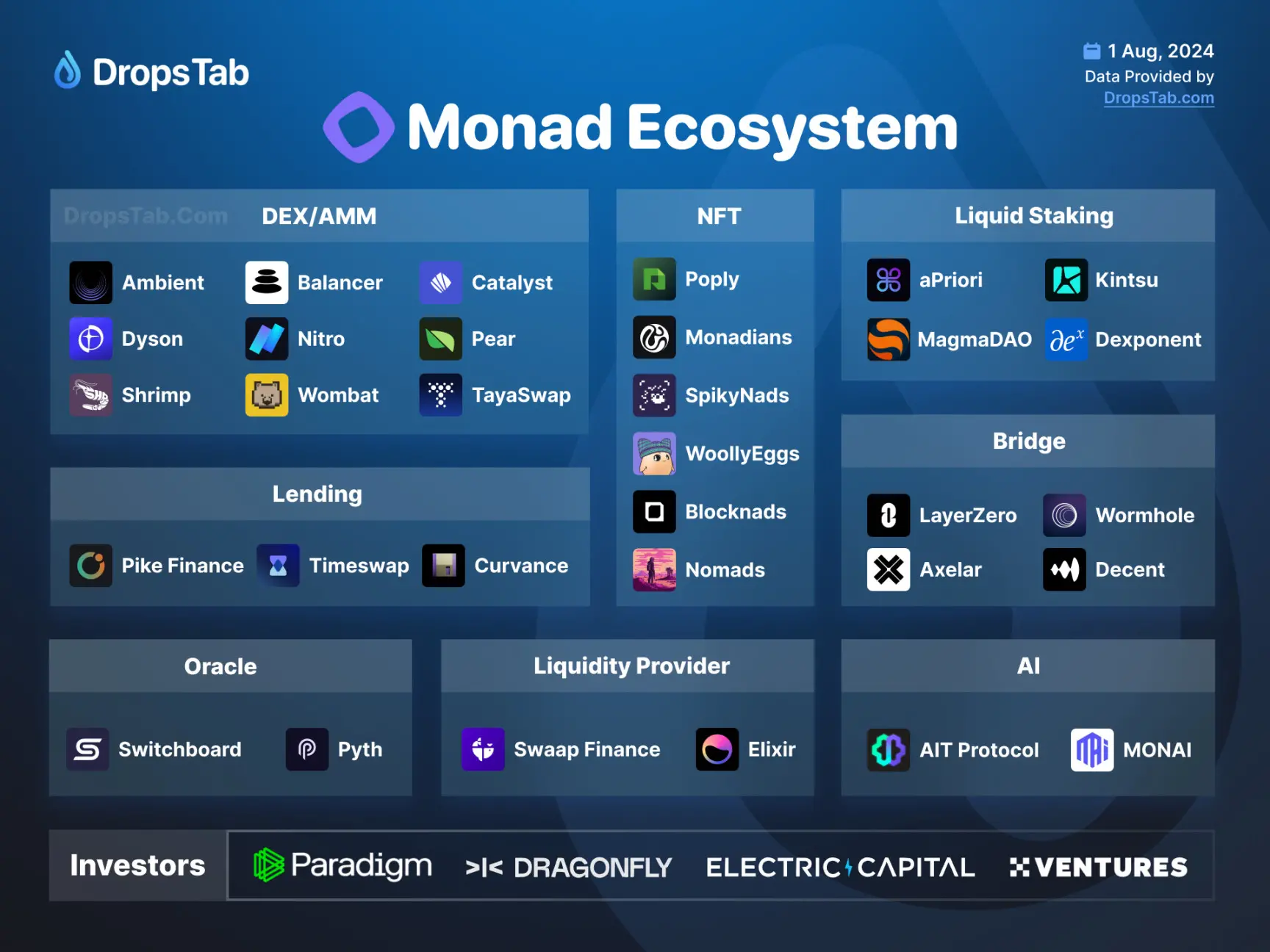
Monad is 100% EVM-compatible. If you are a developer, you can deploy existing smart contracts and applications without rewriting code. This compatibility extends to wallets and tools, making migration straightforward for teams already working within the Ethereum ecosystem.
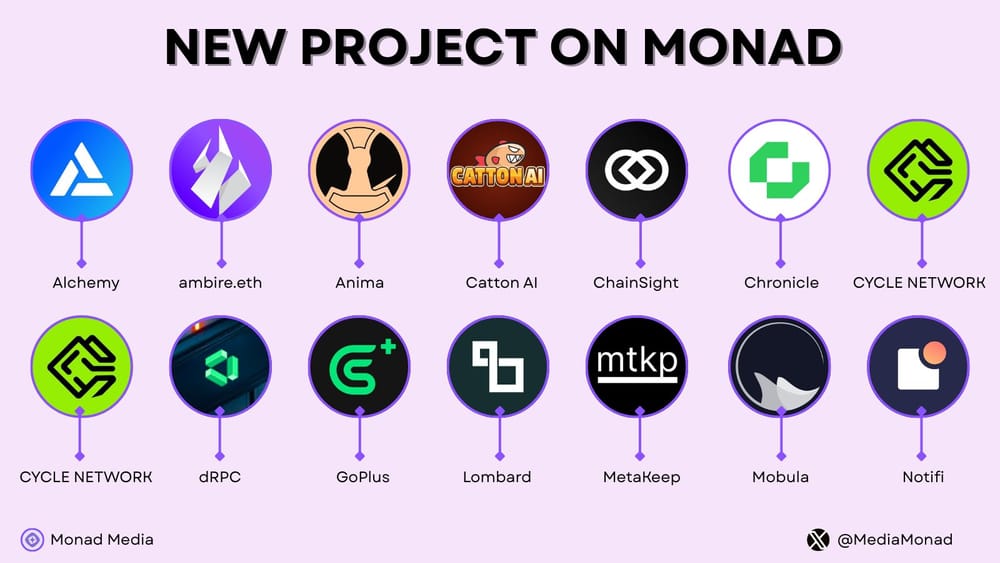
Parallel EVM processes multiple transactions simultaneously. This is ideal for high-throughput applications like gaming or decentralized exchanges. If your project requires handling thousands of concurrent users, Monad's superscalar pipelining offers a significant advantage over traditional sequential EVMs.
Monad operates as a Layer-1 blockchain, not a Layer-2 solution. This means it has its own consensus mechanism and security model. For projects prioritizing native security and single-slot finality, a Layer-1 setup provides a more robust foundation than bridging assets from a secondary layer.
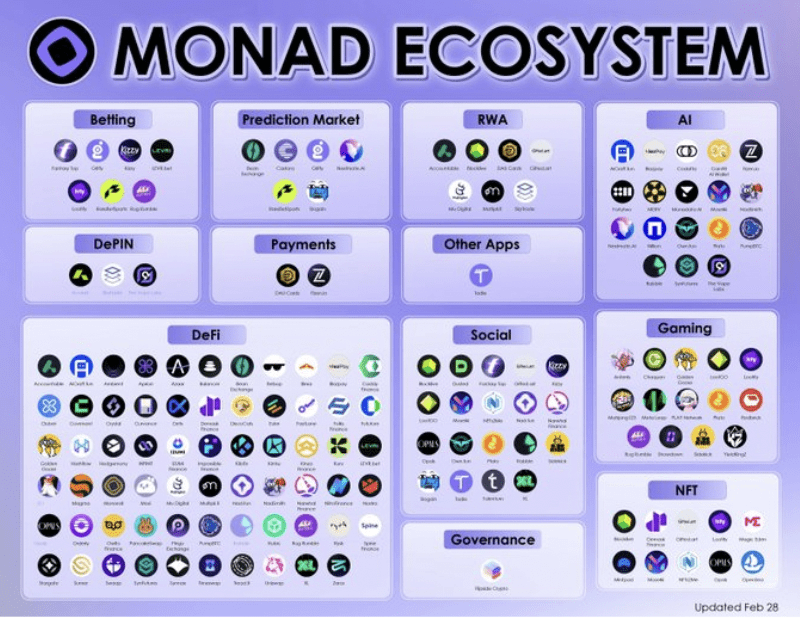
Avoid fake airdrops by using only the official domain: claim.monad.xyz. Never click claim links from Telegram or DMs. Verifying the source is critical to protecting your assets in the rapidly evolving crypto landscape.
Spotting Misleading Claims in Monad's 2026 Narrative
The promise of Monad’s parallel EVM is genuine, but the marketing surrounding it often outpaces the technical reality. Understanding the difference between theoretical throughput and actual network performance is critical for anyone evaluating the ecosystem. Parallel execution allows Monad to process transactions that do not share state dependencies simultaneously, significantly boosting speed compared to traditional sequential EVM chains. However, this does not mean every transaction on the network runs in parallel; dependent transactions still wait their turn, creating a bottleneck that limits real-world scalability.
When evaluating Monad, beware of claims suggesting it is a Layer 2 solution. Monad is a distinct Layer 1 blockchain, not a rollup built on Ethereum. This distinction matters for security assumptions and decentralization models. While it is 100% EVM-compatible, allowing developers to port Solidity code without changes, the underlying consensus and execution layers are fundamentally different. Confusing Monad with an L2 often leads to incorrect assessments of its security guarantees and finality times.
Another common pitfall involves the "claim" process for airdrops and tokens. Scammers frequently impersonate official channels to steal funds. Always verify that any claim link originates from the official monad.xyz domain. Do not click links sent via Telegram or direct messages. Legitimate claims are never initiated by unsolicited messages. Treat any request for private keys or upfront fees as a definitive scam.
Monad parallel evm: what to check next
Monad is an EVM-compatible Layer 1 blockchain targeting 10,000 transactions per second. Its parallel EVM architecture processes independent transactions simultaneously rather than sequentially, drastically increasing throughput while maintaining full compatibility with existing Ethereum tooling.
No comments yet. Be the first to share your thoughts!