
Monad blockchain 2026 limits to account for
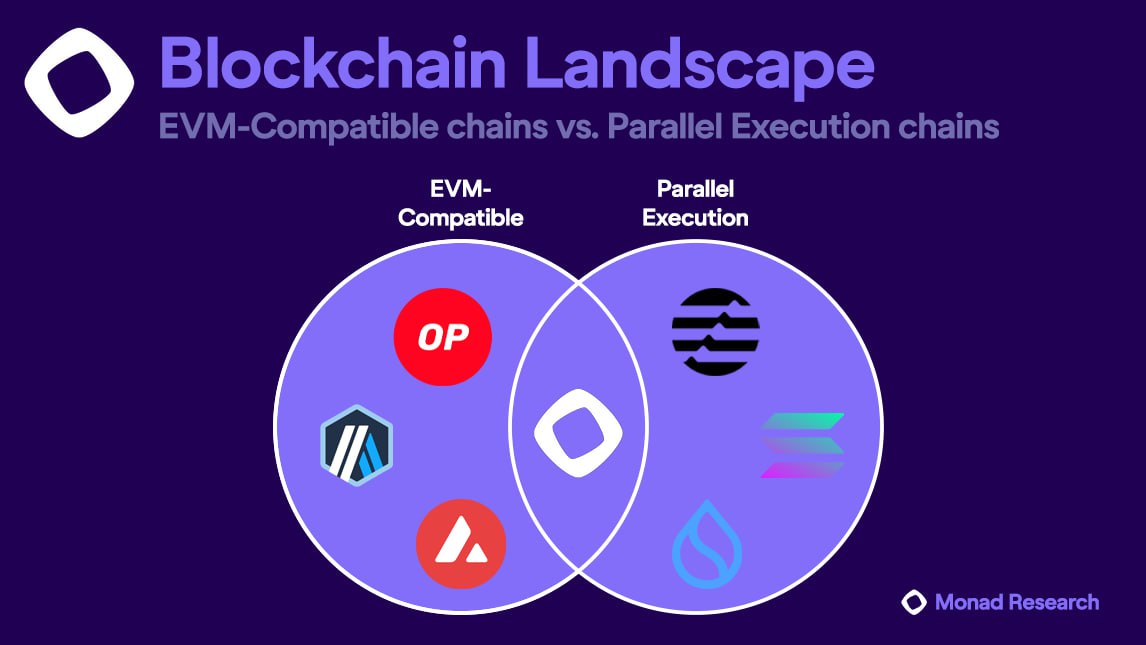
The core constraint defining Monad in 2026 is its ambition to be the leading parallelized L1 for DeFi and AI agents. Unlike traditional blockchains that process transactions sequentially, Monad uses parallel execution to achieve high throughput. This technical efficiency is its primary value proposition, aiming to handle the dense computational demands of modern decentralized applications without the bottlenecks that plague older networks. The question is not just whether it can scale, but whether the ecosystem can mature fast enough to justify the premium on its infrastructure.
The market is watching closely as Monad transitions from a high-performance promise to a usable ecosystem. Conservative 2026 scenarios suggest a price range of $0.05 to $0.08, contingent on post-airdrop supply absorption and genuine user expansion. Analysts often treat the $0.10 level as a psychological checkpoint, with medium-term targets around $0.13–$0.15 if institutional participation increases. The $1 target, while frequently searched, remains distant without massive adoption and regulatory clarity.
For investors and developers, the decision hinges on whether Monad can deliver on its parallelization thesis against competitors like Solana and Ethereum L2s. The comparison table below outlines the tradeoffs by use case, helping you determine if Monad fits your specific needs for DeFi liquidity or AI agent integration. The live chart below tracks the current market sentiment, providing a real-time view of its performance against broader market trends.
| Use Case | Strength | Constraint |
|---|---|---|
| High-Frequency DeFi | Low latency parallel execution | Ecosystem maturity and liquidity depth |
| AI Agent Infrastructure | High throughput for complex computations | Developer adoption and tooling stability |
| General Payments | EVM compatibility | Network effects vs. established competitors like Solana |
Monad blockchain 2026 choices that change the plan
Use this section to make the Monad Chain decision easier to compare in real life, not just on paper. Start with the reader's actual constraint, then separate must-have requirements from details that are merely nice to have. A practical choice should survive normal use, maintenance, timing, and budget. If a recommendation only works in an ideal situation, call that out plainly and give the reader a fallback path.
| Factor | What to check | Why it matters |
|---|---|---|
| Fit | Match the option to the primary use case. | A good deal still fails if it does not fit the job. |
| Condition | Verify age, wear, and service history. | Hidden condition issues erase upfront savings. |
| Cost | Compare purchase price with likely upkeep. | The cheapest option is not always the lowest-cost option. |
Choose the next step
Monad Chain works best as a clear sequence: define the constraint, compare the realistic options, test the tradeoff, and choose the path with the fewest hidden costs. That order keeps the advice usable instead of decorative. After each step, pause long enough to check whether the recommendation still fits the reader's actual situation. If it depends on perfect timing, unusual access, or a best-case budget, include a simpler fallback.


Avoid the weak options
Use this section to make the Monad Chain decision easier to compare in real life, not just on paper. Start with the reader's actual constraint, then separate must-have requirements from details that are merely nice to have. A practical choice should survive normal use, maintenance, timing, and budget. If a recommendation only works in an ideal situation, call that out plainly and give the reader a fallback path.
The simplest way to use this section is to write down the must-have criteria first, then compare each option against those criteria before weighing nice-to-have features.
Monad blockchain 2026: what to check next
Investors often look for immediate price targets, but Monad’s value depends on how well its parallelized EVM infrastructure captures market share. The following answers address the most common technical and financial questions regarding Monad’s trajectory in 2026.
No comments yet. Be the first to share your thoughts!