
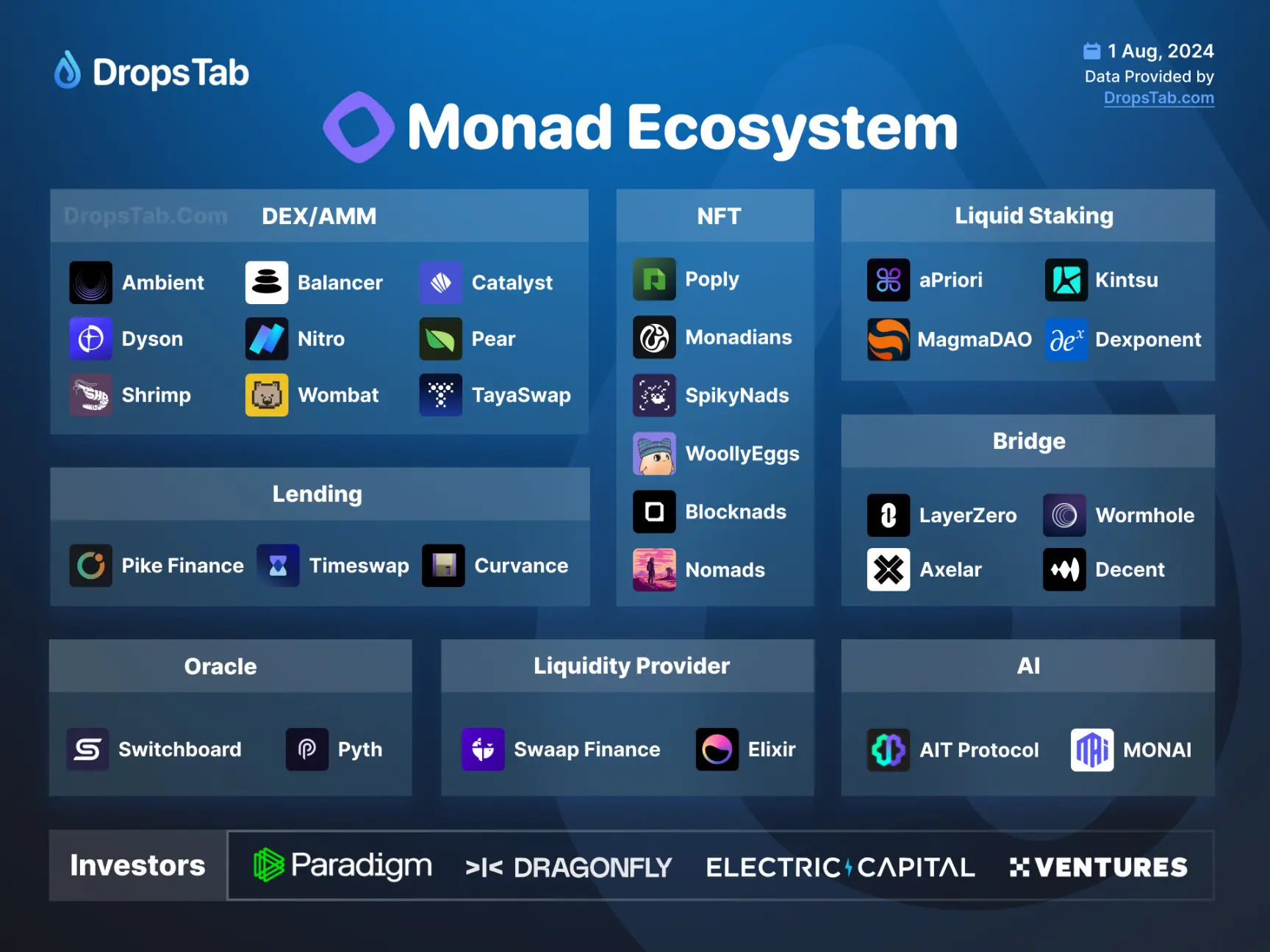
Monad blockchain 2026 budget
Planning to integrate Monad’s parallel EVM requires more than just capital; it demands a clear view of the tradeoffs between cost, speed, and risk. The network promises 10,000 TPS and 0.3-second block times, but these specs come with specific budget implications for developers and investors alike.
As of late 2025, MON trades near $0.021, roughly 57% below its November 2025 all-time high of $0.04883. This volatility means your 2026 budget must account for significant price swings. If you are building, gas fees remain low during off-peak hours, but high-throughput dApps may face congestion costs that rival other L2s during peak demand.
For those looking to support the ecosystem or hedge positions, tangible assets are available through official channels. The following tools and resources help manage your exposure to Monad’s growth without overextending your budget.


As an Amazon Associate, we may earn from qualifying purchases.
Shortlist real options
Use this section to make the Monad's Ecosystem decision easier to compare in real life, not just on paper. Start with the reader's actual constraint, then separate must-have requirements from details that are merely nice to have. A practical choice should survive normal use, maintenance, timing, and budget. If a recommendation only works in an ideal situation, call that out plainly and give the reader a fallback path.
| Factor | What to check | Why it matters |
|---|---|---|
| Fit | Match the option to the primary use case. | A good deal still fails if it does not fit the job. |
| Condition | Verify age, wear, and service history. | Hidden condition issues erase upfront savings. |
| Cost | Compare purchase price with likely upkeep. | The cheapest option is not always the lowest-cost option. |
Inspect the expensive parts
Use this section to make the Monad's Ecosystem decision easier to compare in real life, not just on paper. Start with the reader's actual constraint, then separate must-have requirements from details that are merely nice to have. A practical choice should survive normal use, maintenance, timing, and budget. If a recommendation only works in an ideal situation, call that out plainly and give the reader a fallback path.
-
Verify the basicsConfirm the core specs, condition, and fit before comparing extras.
-
Price the downsideLook for the repair, maintenance, or replacement cost that would change the decision.
-
Compare alternativesCheck at least two comparable options before treating one listing as the benchmark.
Plan for ownership costs
Use this section to make the Monad's Ecosystem decision easier to compare in real life, not just on paper. Start with the reader's actual constraint, then separate must-have requirements from details that are merely nice to have. A practical choice should survive normal use, maintenance, timing, and budget. If a recommendation only works in an ideal situation, call that out plainly and give the reader a fallback path.
The simplest way to use this section is to write down the must-have criteria first, then compare each option against those criteria before weighing nice-to-have features.
No comments yet. Be the first to share your thoughts!